Kids Learning Clock: Move the Hands and Practise Hours and Minutes
Specifications
| Brand | Wonder Kids Toy |
|---|---|
| SKU | SUEDLCN00036-A0 |
| Type | Math Toys |
| Variants | 1 |
Wonder Kids Toy · Hands-on discovery
Move the hands and make a time visible
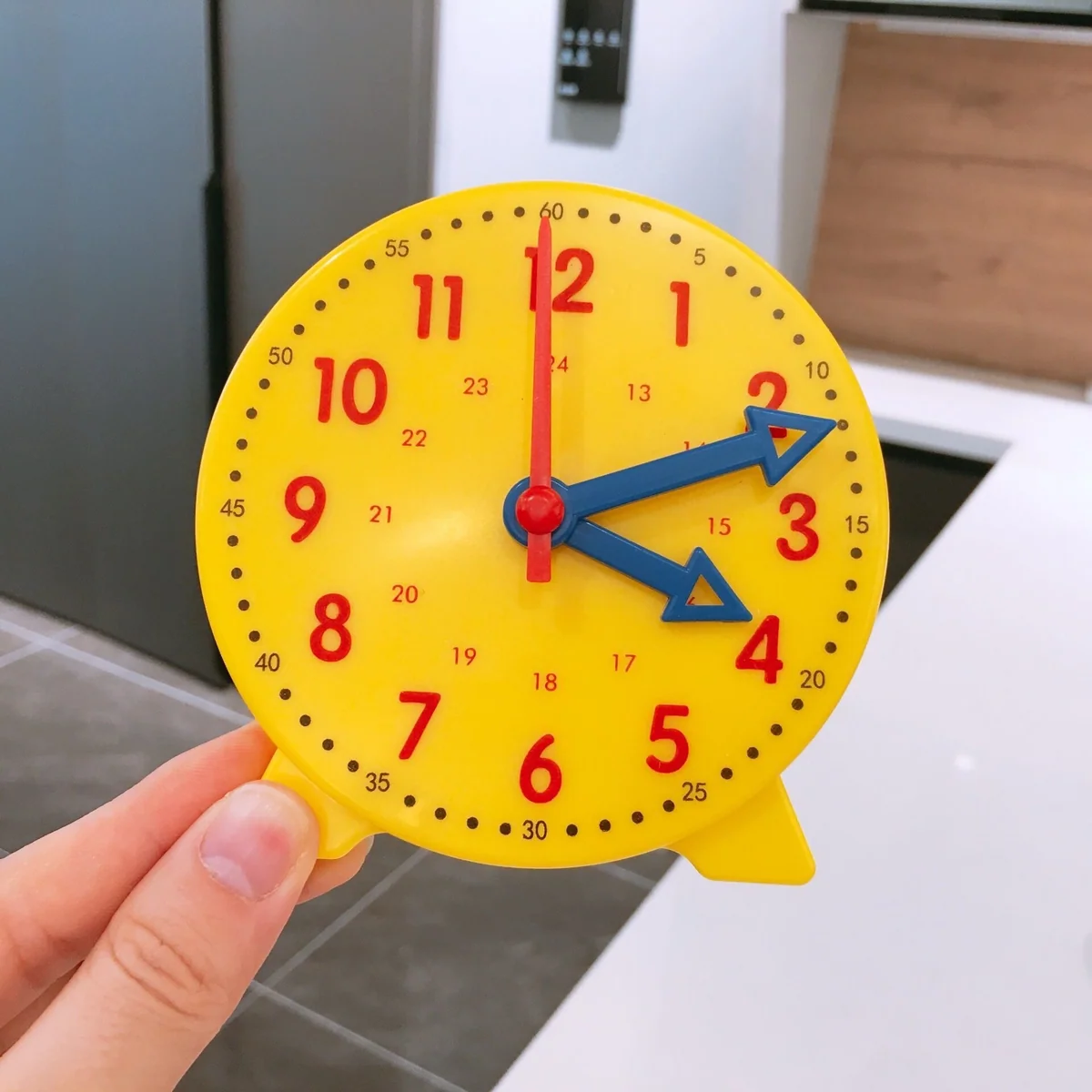
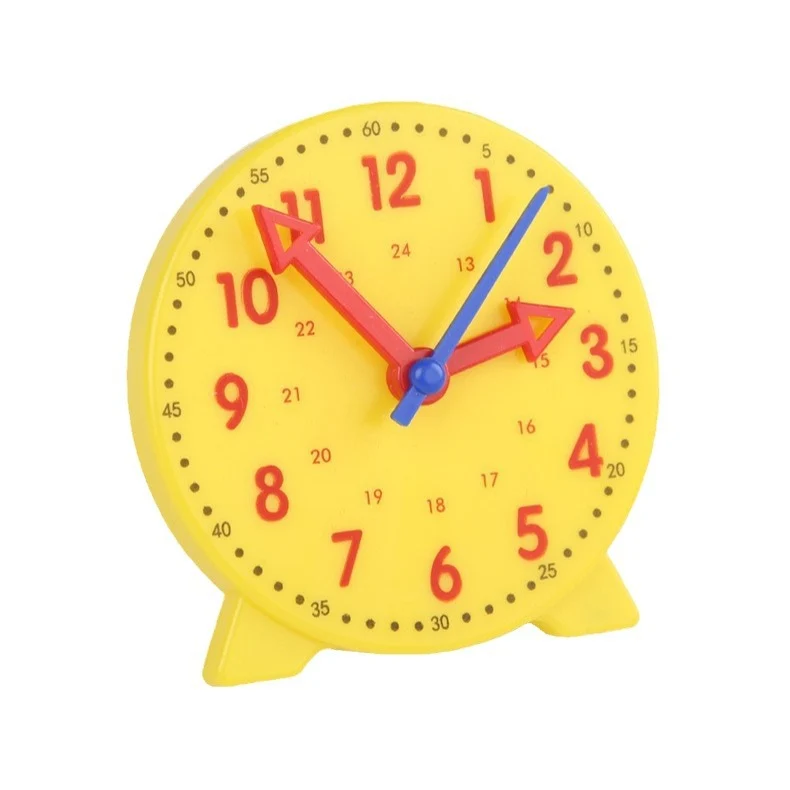
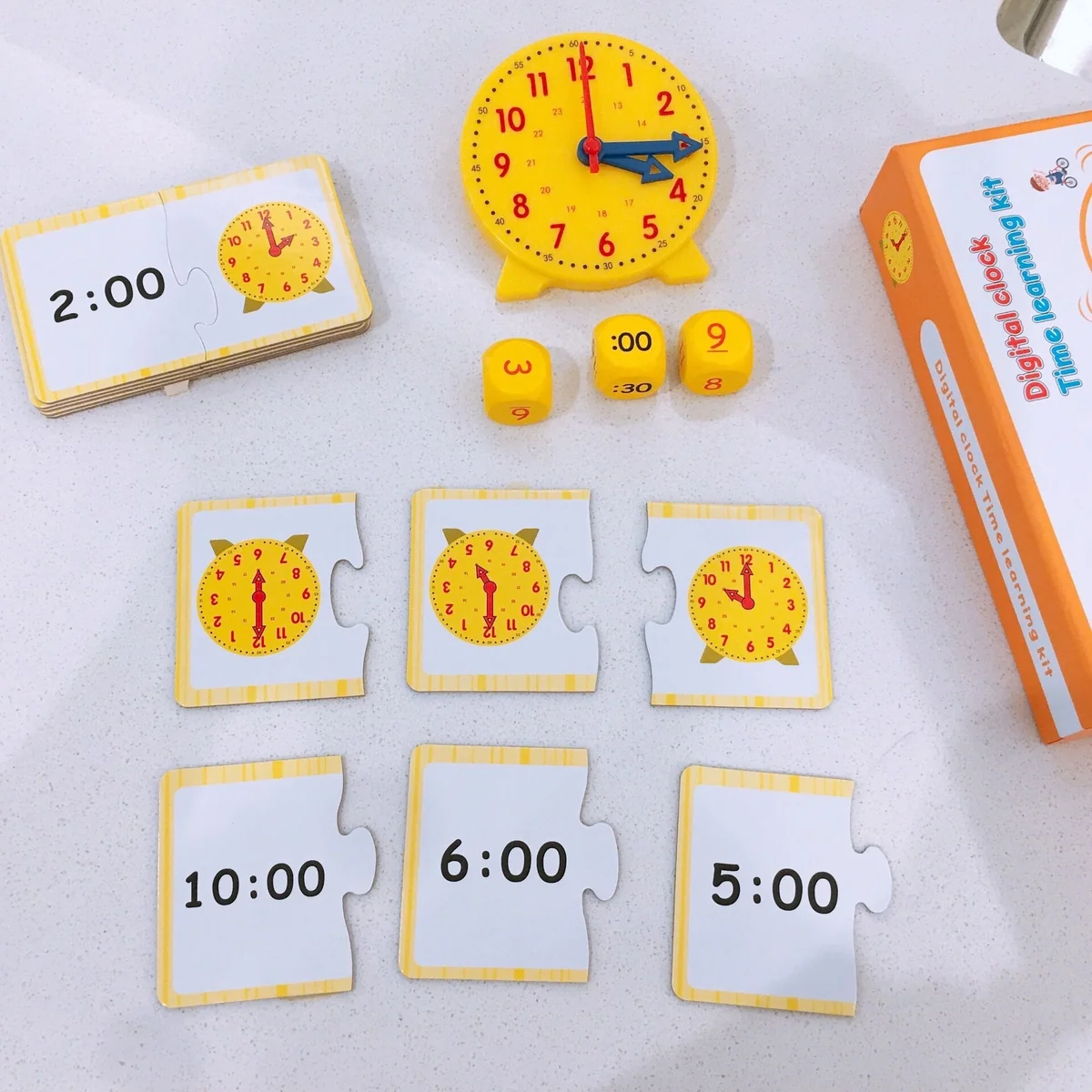
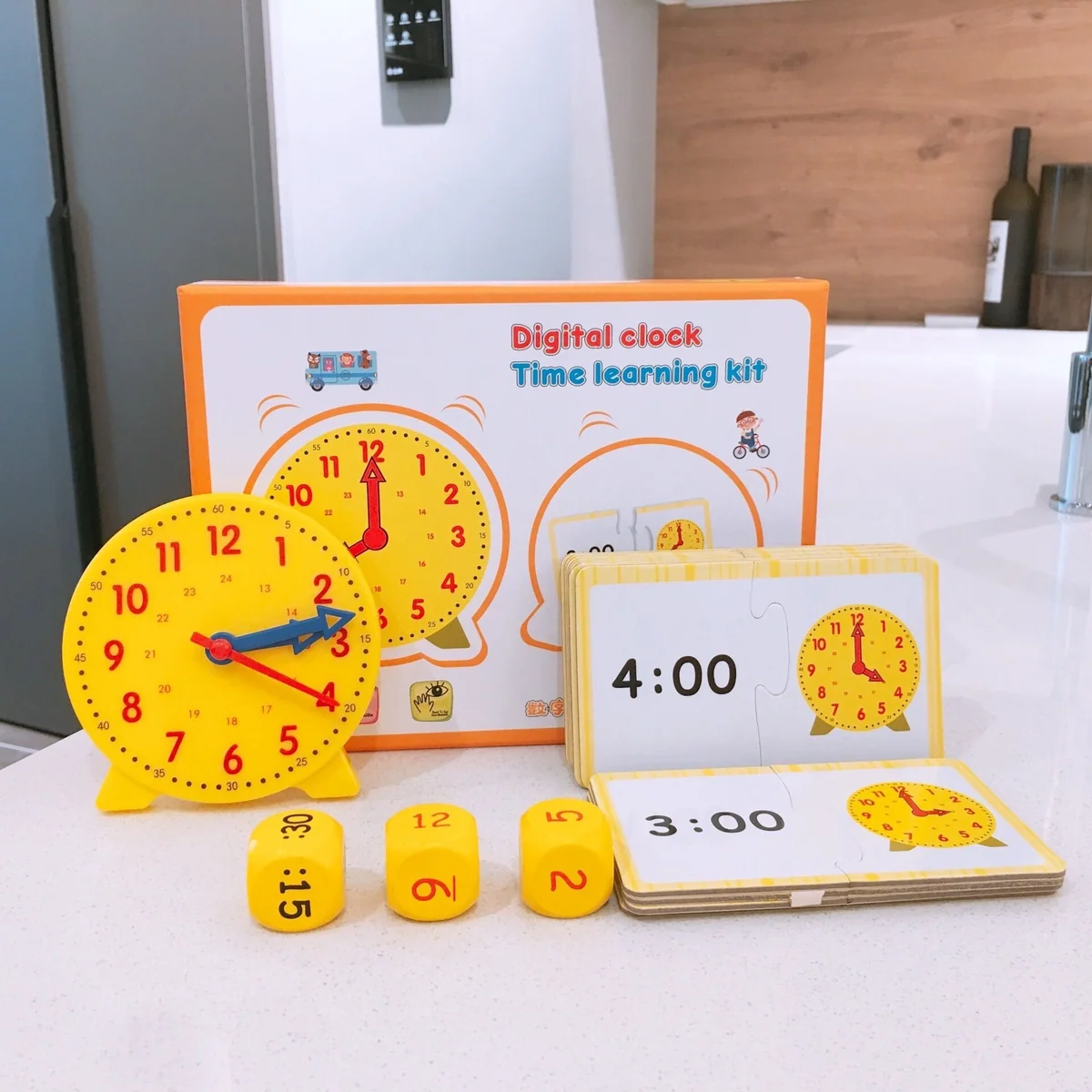
A physical clock face gives a child something to point to while discussing hours and minutes. This plastic learning-clock model has movable hands for matching a chosen time during guided activities. Begin with a whole hour, connect it with a familiar routine and add more detail when the learner is ready. The clock is described as a teaching aid, not as a verified working timepiece or an automatic electronic lesson system.
One clock model for guided time activities
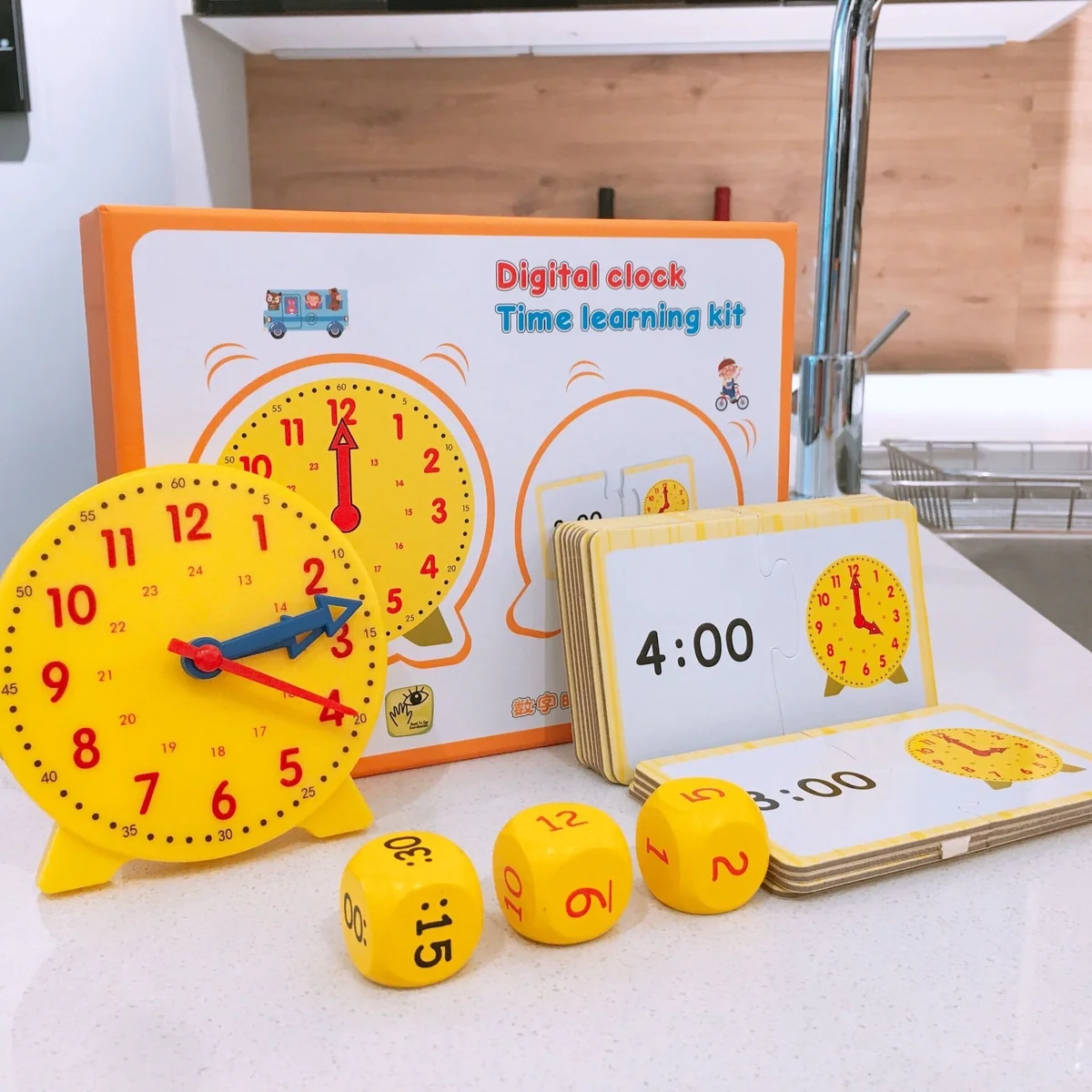
The single live option is Clock board game teaching aids, and one clock model is listed in the package. Plastic is the stated material. The current listing gives an age range of 3–6 years and describes a physical way to move the hands, notice numbers and practise early time concepts.
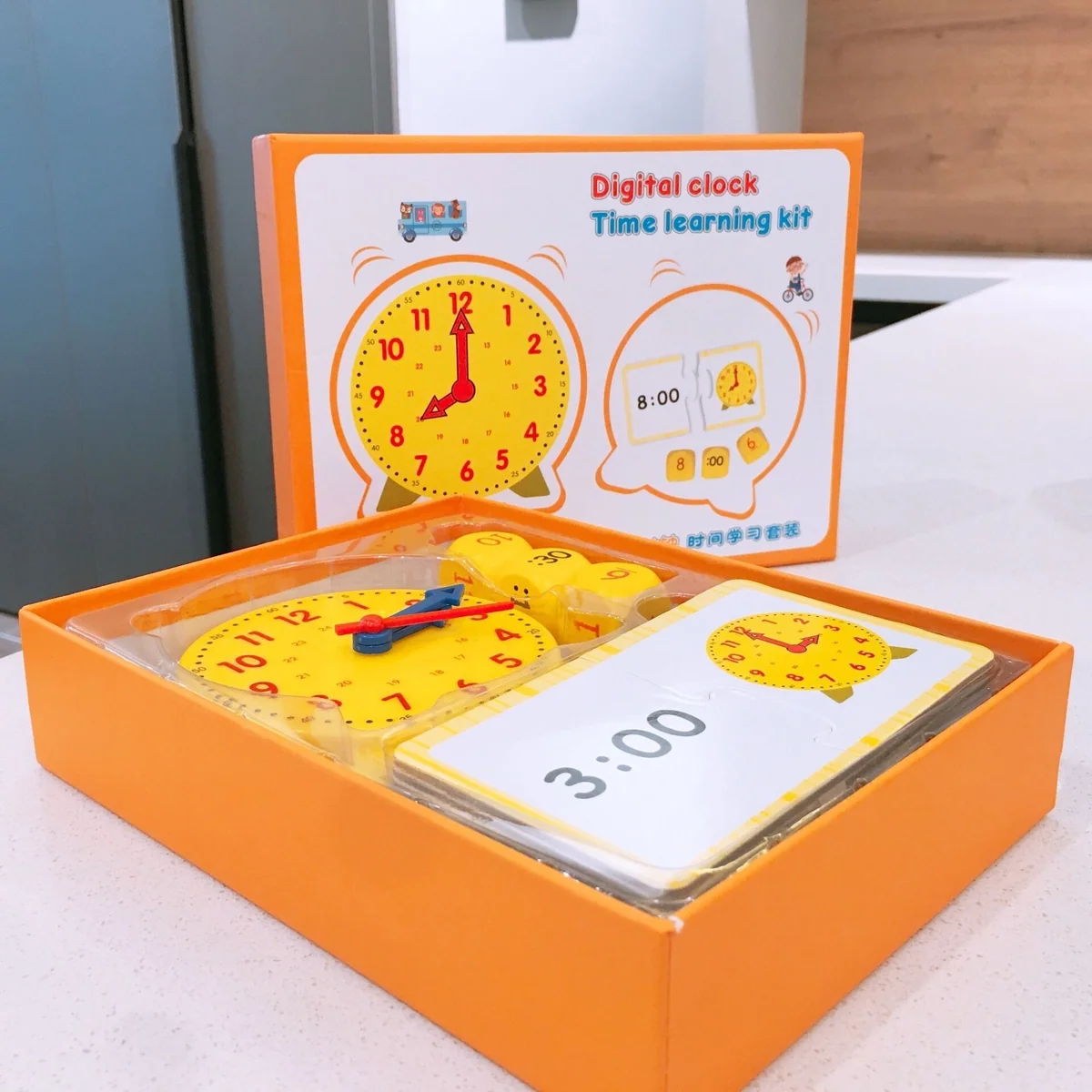
Exact dimensions, a complete accessory inventory and detailed mechanism specifications are not established in the current record. The word board game in the option name should not be read as a promise of a separate game board, cards, dice or a fixed player rulebook. The confirmed format is the movable-hand clock model.
Begin with a whole-hour example
An adult can set a whole hour and explain which hand indicates the hour and which position represents zero minutes, using the actual clock model and its guidance. Ask the child to point to the relevant number before changing the display. Keep the first example simple enough to compare directly with the face.
Once that example is familiar, invite the learner to move the hands to another whole hour as appropriate for the mechanism. Check the result together instead of immediately introducing several minute values. The source suggests beginning with whole hours, then introducing the minute hand when the child is ready.
Connect the display with a familiar routine
Choose a routine that the family can discuss comfortably, such as a meal, waking up or bedtime. Use a clearly chosen example time rather than implying that every household follows the same schedule. The adult can set the example and ask what activity it represents in the conversation.
Then change the displayed hour and discuss whether that is earlier or later within the simple sequence being considered. A teaching clock does not supply an AM or PM context by itself unless the actual model explicitly includes one; the adult’s explanation should make the intended part of the day clear. No extra digital display is established in the listing.
Introduce minutes without rushing the sequence
When whole-hour examples are understood, use the supplied guidance and an accurate explanation to introduce the role of the minute hand. Point to the relevant position and compare it with the previous display. The physical model lets the learner see a change rather than relying only on spoken instructions.
Do not assume the hands are mechanically linked or move in a particular ratio; that behaviour is not verified in the current record. An adult should ensure the displayed hour and minute positions form an accurate example for the intended lesson. The product’s movable format supports practice, but accurate explanation still matters.
Let the child create a time for you to read
Once the learner is comfortable with a small set of examples, swap roles. The child can set a time within the familiar range, and the adult can describe it aloud. Compare the explanation with the hand positions together. This makes the child an active participant without requiring an assessed quiz or a race.
Another suggested activity is to set two examples in succession and ask what changed. Focus on the hand or number involved rather than adding several questions at once. These activities offer opportunities to discuss time and numerical positions; they do not guarantee a particular rate of learning or independent mastery of every clock format.
Choose the teaching aid for the lesson you plan
For a family-learning gift or a guided early-time activity, compare the stated 3–6 age range with the intended user and check the delivered guidance. A working clock movement, alarm, batteries, electronic sound or automatic feedback are not established. If you need any of those functions, confirm them rather than inferring them from the word interactive.
Detailed dimensions, cleaning instructions and safety certification are also unverified in the current record. If your main goal is representing quantities rather than reading a clock, compare the wooden finger-counting and math configurations, checking the exact option separately. Choose this clock for the physical hand-moving format, begin with one accurate example and connect the display with a routine the learner understands.
Commonly Asked Questions by Parents
What is the learning clock intended for?It is a physical clock-model teaching aid for practising time concepts and numbers. The described activity involves moving the hands to match a chosen time.
What comes with the current option?One clock model is listed under Clock board game teaching aids. Additional cards, dice or a separate game board are not established in the current record.
What material is specified?The supplier lists plastic. A complete component material analysis or safety-certification claim is not supplied by that description.
What age range is stated?The listing states ages 3–6 years. Follow the delivered age and use guidance when deciding whether the model suits the intended learner.
Can the hands be moved?Yes. Moving the hands to match a chosen time is the activity format described in the current source. Exact mechanical behaviour is not separately specified.
What is a simple first activity?Set whole-hour examples and connect them with familiar routines. Introduce the minute hand more fully when the learner is ready, using accurate adult guidance.
Are the hands mechanically linked?A linked-hand mechanism or a particular movement ratio is not verified. An adult should ensure that the hand positions accurately represent the example being taught.
Is it a functioning household clock?A working timekeeping movement is not established. The confirmed purpose is a clock-model teaching aid, not a verified replacement for a household timepiece.
Does it include an alarm or spoken feedback?An alarm, sound system or automatic electronic feedback is not confirmed. The word interactive refers to the described hands-on activity, not a verified electronic feature.
Can we discuss everyday routines with it?Yes. Use chosen examples for meals, waking up or bedtime. Make the intended part of the day clear rather than assuming a clock face alone identifies AM or PM.
Can the child set a time for an adult?Yes, as a suggested shared activity within the examples already introduced. The adult can read the display aloud and compare the explanation with the hand positions.
Are dimensions and cleaning instructions available?Exact dimensions and a detailed care procedure are not established in the current record. Obtain essential measurements and follow the supplied care guidance.
Does it guarantee quick time-reading mastery?No learning timetable or guaranteed outcome is established. The model provides a physical way to practise, while the examples and explanations should follow the learner’s readiness.
Questions about this product
Is Kids Learning Clock: Move the Hands and Practise Hours and Minutes in stock?
Yes — 46 units are available and ready to ship from our US warehouse.
How fast will Kids Learning Clock: Move the Hands and Practise Hours and Minutes ship?
Orders placed before 3:00 PM ET ship the same business day. Delivery takes 3–5 business days inside the USA.
Where does Kids Learning Clock: Move the Hands and Practise Hours and Minutes ship from?
It ships from the United States. Standard delivery is 3–5 business days, and orders placed before 3:00 PM ET go out the same day.