




DIY Science Experiment Kits: Choose a Question to Explore
Color
| Brand | Wonder Kids Toy |
|---|---|
| SKU | SU00010319-Plants vs. maze |
| Type | Science Toys |
| Color | Plants vs. maze, Nature battery, Water matching component knowledge, Environmentally friendly rocket, Hand powered flashlight, Small weather station, Solar system planetarium model, Volcano making kit |
| Variants | 8 |
A closer look at play
Choose the question before choosing the experiment.
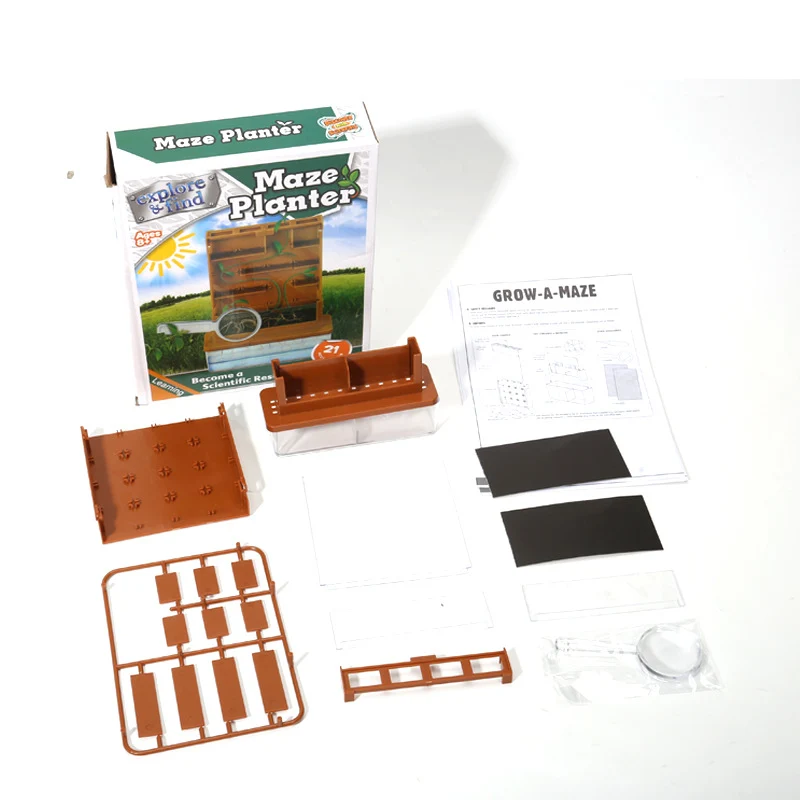
A plant’s route, a weather observation or a model of the solar system can begin very different projects. This DIY science experiment kit menu offers eight separately selected activities, including plant maze, nature battery, water, rocket, hand-powered flashlight, weather station, solar-system planetarium and volcano labels. Choose one project, review its specific requirements with an adult and follow that kit’s directions. The menu is not an eight-kit bundle or a universal set of instructions.
Start with a question the selected kit can address
A plant-maze project might begin with asking where the plant grows, while a weather-station activity can begin with asking what the supplied tool shows. A hand-powered flashlight label points to a different question about the described mechanism. Use the chosen kit’s actual materials and instructions to define the question rather than assuming every science activity follows the same setup.
Write or draw a prediction before starting if that suits the learner. A prediction is a statement to compare with an observation, not an answer that must turn out correct. Keep it narrow enough to revisit after the activity. This simple record is a family-added approach, not a notebook or printed worksheet promised in the package.
Let the instructions determine the method
An adult should review the selected experiment’s materials, ingredients, assembly and any power requirements before use. Use only the approved components and handling methods in that kit’s directions. This page does not supply substitute chemical recipes, rocket-launch methods, battery wiring or improvised consumables. Similar project names do not establish interchangeable procedures.
The activity may involve assembly, observation over time or a demonstration, depending on the option. Confirm the requirements before promising a one-session result. A plant project and a model-building project can have very different timelines, and no shared completion time is independently established across all eight selections.
Record what actually happens
After following the selected directions, describe the result in ordinary language. What moved, changed, appeared or stayed the same? A drawing or dated note can make repeated observations easier to compare. Separate what was directly observed from an explanation an adult adds. If the result differs from the prediction, return to the instructions and the visible evidence rather than forcing a preferred answer.
For observations made on different days, keep the record clear about when each was made. Do not claim that a single home activity proves a broad scientific rule. The kit can provide a concrete starting point for questions and discussion, but no complete science curriculum or guaranteed educational result is established.
Compare the eight project labels
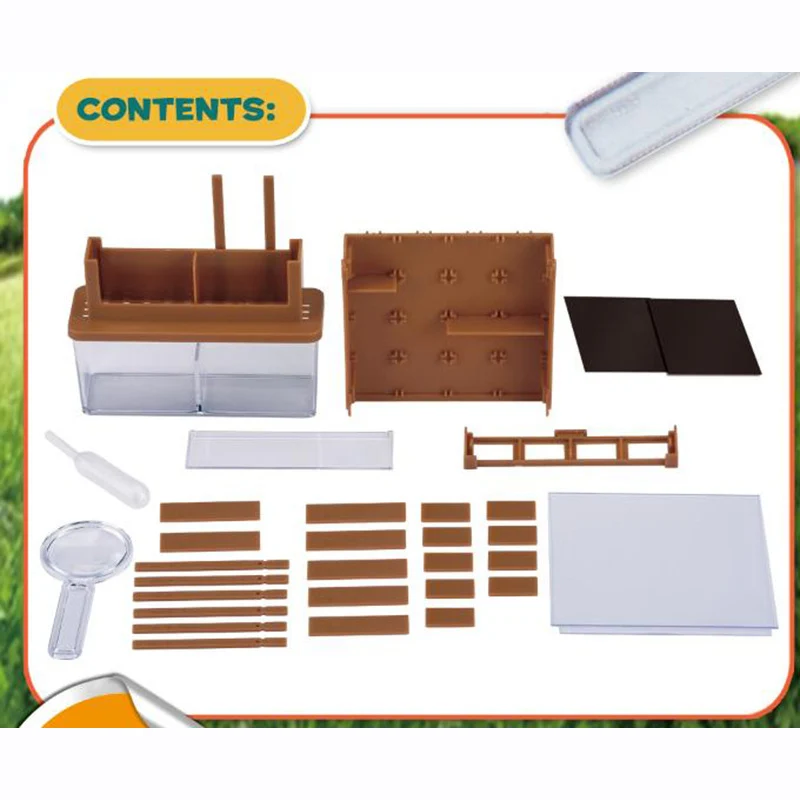
The selector lists Plants vs. maze, Nature battery, Water matching component knowledge, Environmentally friendly rocket, Hand powered flashlight, Small weather station, Solar system planetarium model and Volcano making kit. Each is a separate purchase choice. Match the full label to its image and instructions, especially where supplier wording is broad or translated.
Environmentally friendly rocket is a label, not a verified environmental certification. Nature battery does not establish a particular ingredient list or electrical output, and water-related wording is not a complete experiment method. The solar-system planetarium label identifies a model project; additional projection or electronic functions should not be inferred without confirmation.
Check contents instead of assuming a universal kit
Exact materials, ingredient quantities and included accessories are not verified across all eight options. Different projects may require different consumables, assembly steps or power sources. A photograph of one activity is not evidence that its tools are included with another. If the family needs a project that is complete without separately supplied materials, confirm that for the chosen option before ordering.
Numerical age ranges, protective-equipment requirements and any specific adult-only steps must also come from the selected kit’s guidance. This page does not replace those directions with a generic claim that all experiments are safe for independent child use. An adult should resolve essential setup and handling details before the activity begins.
Choose a project that fits the shared learning time
For a science-focused gift, first decide which subject the recipient is curious about and whether the caregiver can support the selected activity. A growth observation, a weather tool and a volcano project invite different preparations. Choose the question and format rather than expecting every kit to deliver the same kind of result.
Keep the selected components together and follow its storage, cleanup and disposal instructions. No universal cleaning or ingredient-disposal method is invented here. Choose one complete project label once its requirements are understood, then use a prediction and an observation to build a careful conversation around what actually happens.
Commonly Asked Questions by Parents
Are all eight projects included?No. The eight labels are separate selections. Choose one complete project name and review its individual contents and instructions.
Which subjects are named?Plant maze, nature battery, water, rocket, hand-powered flashlight, weather station, solar-system planetarium model and volcano projects are listed.
How can we choose a first question?Match the question to the selected kit: for example, observe a growth route or describe what a weather tool shows. Use the actual supplied materials as the reference.
Does every kit include all consumables?That is not established. Different projects may require separate materials, and exact ingredient and accessory quantities should be confirmed for the chosen option.
Can I use a recipe from another experiment?Interchangeable methods are not established. Follow the selected kit’s approved materials and instructions rather than substituting chemical recipes, wiring or launch procedures.
Does environmentally friendly mean certified?No environmental certification is verified by that option label. It is retained as the supplier’s project name rather than treated as a proven environmental claim.
What power requirements apply?Requirements vary by project and are not universally specified here. An adult should confirm the selected kit’s power and assembly instructions before setup.
How long does a project take?A shared completion time is not established. Growth observation, model assembly and demonstrations can have different timelines; check the chosen kit’s directions.
What can we record?A prediction, a drawing and a dated observation can help compare what was expected with what happened. A notebook is an optional family-added material, not a promised accessory.
What if the result is unexpected?Describe the actual observation and review the instructions with an adult. Do not alter the procedure or add unapproved materials just to produce a preferred result.
What age range is confirmed?A universal numerical age range is not provided. Follow the selected kit’s age guidance, warnings and any adult-only steps.
Is independent child use established?No universal independent-use claim is made. An adult should review ingredients, power, assembly and handling requirements for the specific project.
How should materials be cleaned up?Use the selected kit’s storage, cleanup and disposal instructions. No common method is established for all materials across these different projects.
Continue exploring
Best Science Kits for Kids: Experiments, Nature & STEM Projects
Questions about this product
Is DIY Science Experiment Kits: Choose a Question to Explore in stock?
Yes — 19 units are available and ready to ship from our US warehouse.
How fast will DIY Science Experiment Kits: Choose a Question to Explore ship?
Orders placed before 3:00 PM ET ship the same business day. Delivery takes 3–5 business days inside the USA.
What color options does DIY Science Experiment Kits: Choose a Question to Explore come in?
Available color: Plants vs. maze, Nature battery, Water matching component knowledge, Environmentally friendly rocket, Hand powered flashlight, Small weather station, Solar system planetarium model, Volcano making kit. 8 variants in total, each with its own SKU and price.
Where does DIY Science Experiment Kits: Choose a Question to Explore ship from?
It ships from the United States. Standard delivery is 3–5 business days, and orders placed before 3:00 PM ET go out the same day.
All variants (8)
| Color | SKU | Price | Stock |
|---|---|---|---|
| Plants vs. maze | SU00010319-Plants vs. maze | $5.00 | In stock |
| Nature battery | SU00010319-Nature battery | $5.00 | In stock |
| Water matching component knowledge | SU00010319-Water matching component knowledge | $5.00 | In stock |
| Environmentally friendly rocket | SU00010319-Environmentally friendly rocket | $5.00 | In stock |
| Hand powered flashlight | SU00010319-Hand powered flashlight | $5.00 | In stock |
| Small weather station | SU00010319-Small weather station | $5.00 | In stock |
| Solar system planetarium model | SU00010319-Solar system planetarium model | $5.00 | In stock |
| Volcano making kit | SU00010319-Volcano making kit | $5.00 | In stock |