Microscope for Kids with Accessories: Focus a Sample and Compare Details
Size
| Brand | Wonder Kids Toy |
|---|---|
| SKU | SU00032231-3100g |
| Type | Science Toys |
| Variants | 1 |
A closer look at play
Focus on what you can actually see.
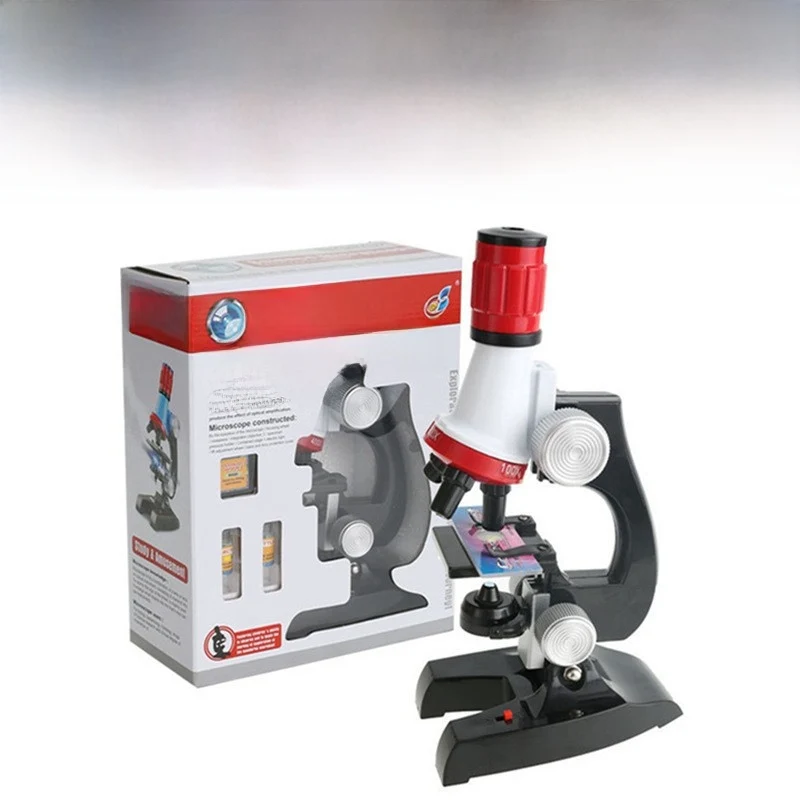
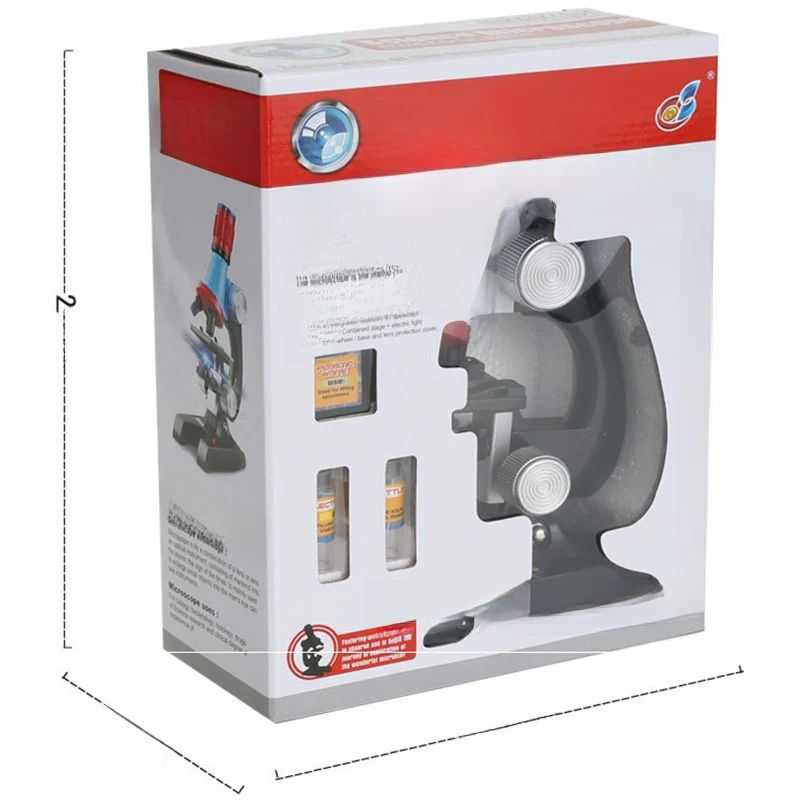
This microscope toy offers a starting point for adult-guided observation with its listed experiment accessories. Place a suitable sample as directed, work through the focusing process and describe the visible details before comparing another sample. Children 1200X is the supplier’s model name, not an independently verified magnification guarantee or a promise of laboratory image quality. One microscope toy and science experiment accessories are listed, but the individual accessory items and quantities are not fully specified.
Meet the labelled parts before starting
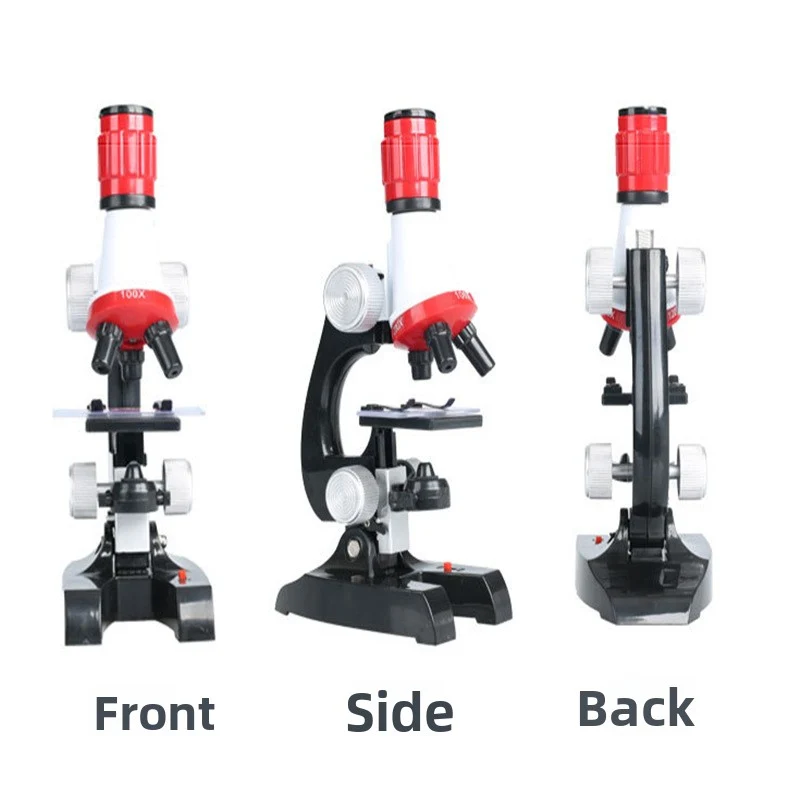
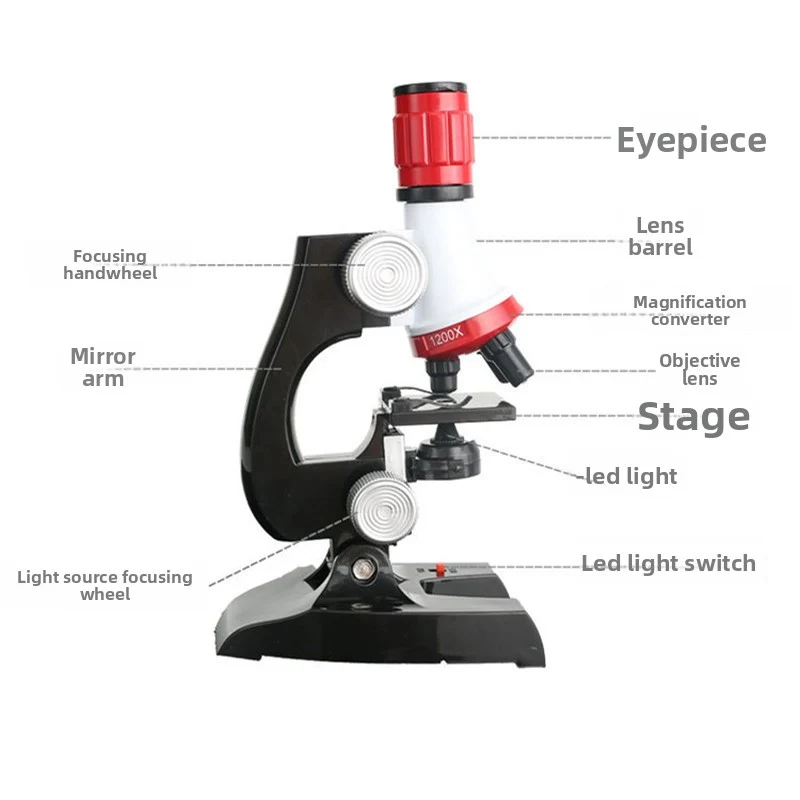
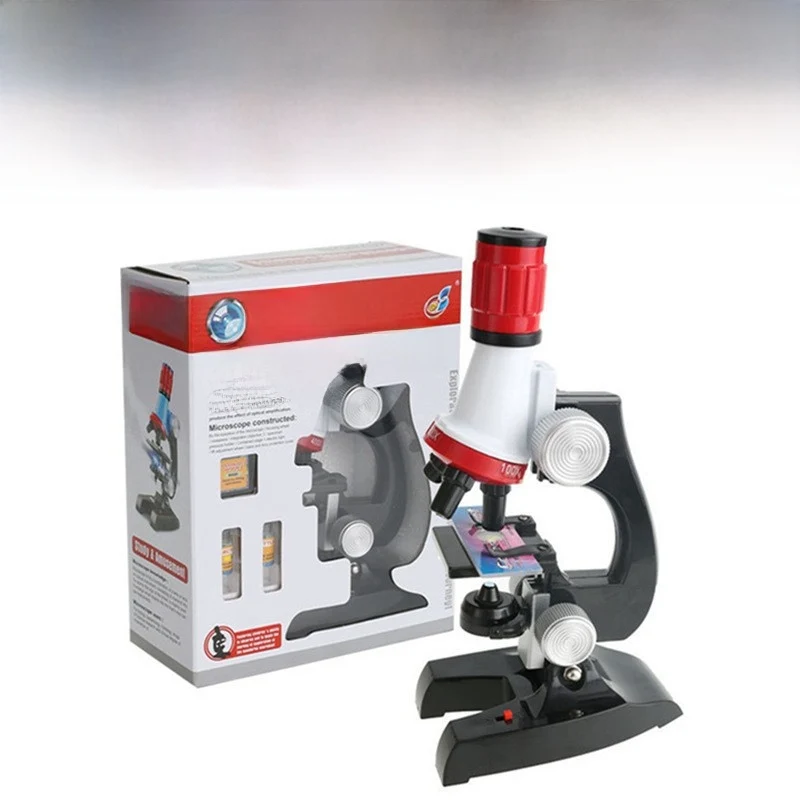
The product imagery labels an eyepiece, lens barrel, objective lens, stage and focusing handwheel. An adult can identify those visible parts with the learner while checking the actual instructions. Naming the parts creates a shared vocabulary for the observation activity without requiring the child to operate every adjustment independently.
Use the supplied guidance for setup and handling rather than a generic procedure for a different microscope. The pictured equipment includes lighting-related labels, but the power specification and required batteries are not independently confirmed here. An adult should resolve setup requirements from the actual product before use.
Choose a suitable instructed sample
Begin with a sample suitable for the toy and permitted by its instructions. The listed experiment accessories are not individually inventoried, so do not assume that a particular prepared slide, chemical, specimen or collection tool is included. An adult should select and handle the sample according to the supplied guidance.
This page does not suggest collecting bodily material, culturing organisms or using household chemicals. A first observation can remain focused on an appropriate supplied or instruction-approved sample. Label your separate notes clearly. Keep its identity clear so the learner knows what they are trying to view and can recognise the same sample later.
Work through focusing patiently
Place the suitable sample as directed and adjust the microscope only using the method in the instructions. An adult can guide the process while the learner reports whether the visible detail changes. Avoid promising that a certain number of turns will bring every sample into focus.
If the image is unclear, describe that honestly and consult the supplied guidance. Do not force controls or bring parts into contact through an improvised adjustment. The activity is about learning the particular toy’s observation process, not demonstrating a verified level of optical performance or reproducing a professional laboratory image.
Describe before comparing
Ask the learner to name a visible outline, texture or arrangement in the sample. They can draw a simple sketch or explain the detail in ordinary words. Keep the description tied to what is actually seen rather than insisting on a feature that might appear in a textbook illustration.
When the first observation is complete, compare another suitable sample using the instructed method. Choose one question for the comparison, such as whether a visible outline appears different. This creates a manageable purpose for the session without claiming that the microscope can reliably reveal every microscopic structure.
Keep an observation notebook of your own
Record the sample identity, what could be seen and what remained unclear. A small sketch can be more useful than a guessed technical label. Your own notebook is a suggested addition, not an item established in the microscope’s accessory package.
At a later session, return to the same question and check whether the observation can be described more clearly. Do not treat a repeated view as a guaranteed result or use a changing image to invent an explanation. The record is a way to organise curiosity and discussion, not evidence of a promised educational or scientific outcome.
Understand the model and package limits
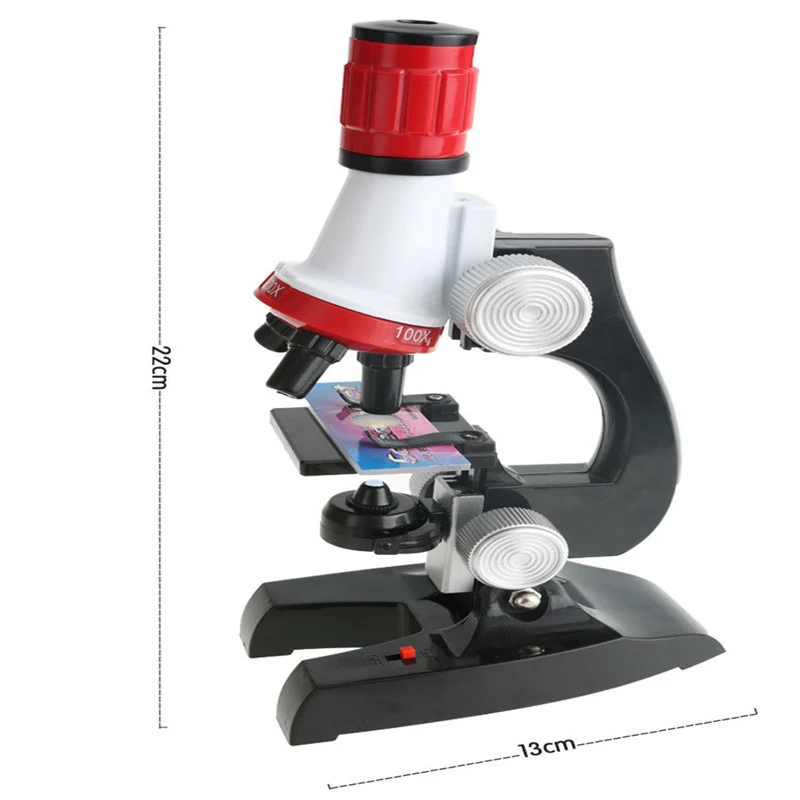
The supplier describes a biological microscope toy with the model name Children 1200X. That model wording is not an independently verified optical magnification. The current selector contains the label 3100g, but a reliable interpretation as the measured product weight is not established; do not use it as a confirmed handling specification.
One microscope toy and science experiment accessories are listed. Exact accessory quantities, age range, battery requirements and laboratory-grade performance are not confirmed. An adult should review the actual package and instructions before use, supervise sample handling and follow the care directions. Never use the microscope to look at the Sun or direct sunlight into its optical path.
Commonly Asked Questions by Parents
What kind of product is this?It is described as a biological microscope toy for guided focusing and observation, supplied with listed science experiment accessories rather than a verified laboratory instrument.
Does Children 1200X guarantee 1200-times magnification?No. Children 1200X is the supplier’s model name. A verified optical magnification result is not independently established by that wording.
What is confirmed in the package?One microscope toy and experiment accessories are listed. The individual accessory types and quantities are not fully identified in the available details.
Which microscope parts are labelled?The imagery labels an eyepiece, lens barrel, objective lens, stage and focusing handwheel. Use the actual product instructions to learn their intended handling.
Are specific prepared slides included?An exact slide inventory is not confirmed. Check the received accessories rather than assuming a particular prepared specimen is part of every package.
Which batteries are needed?The power requirements and battery specification are not independently confirmed here. An adult must check the supplied instructions before setting up any lighting function.
What does the 3100g option mean?That is the current selector label, but its meaning is not reliably established as the measured product weight. Confirm the actual specification if weight matters to you.
What sample should we try first?Use a suitable sample permitted by the supplied instructions, with adult selection and handling. This page does not recommend improvised chemical or biological experiments.
What if the view is unclear?Follow the supplied focusing guidance with an adult and describe the uncertainty honestly. Do not force controls or assume a particular image quality is guaranteed.
Can we compare two samples?Yes, using suitable samples and the instructed handling method. Describe one visible detail from each rather than expecting every microscopic feature to be resolved.
Is it appropriate for a particular age?A precise age range is not confirmed here. Review the product’s age label, parts and instructions before use and provide adult guidance.
Should observations be written down?A notebook of your own can record sample identity, visible details and questions. This is an optional activity suggestion, not a confirmed included workbook.
Can it be aimed at the Sun?No. Never look at the Sun through the microscope or direct sunlight into its optical path. Follow the supplied observation and handling instructions.
Product pictures
Compare related microscopes and science instruments to find an activity that suits your interests.
Questions about this product
Is Microscope for Kids with Accessories: Focus a Sample and Compare Details in stock?
Yes — 13 units are available and ready to ship from our US warehouse.
How fast will Microscope for Kids with Accessories: Focus a Sample and Compare Details ship?
Orders placed before 3:00 PM ET ship the same business day. Delivery takes 3–5 business days inside the USA.
Where does Microscope for Kids with Accessories: Focus a Sample and Compare Details ship from?
It ships from the United States. Standard delivery is 3–5 business days, and orders placed before 3:00 PM ET go out the same day.