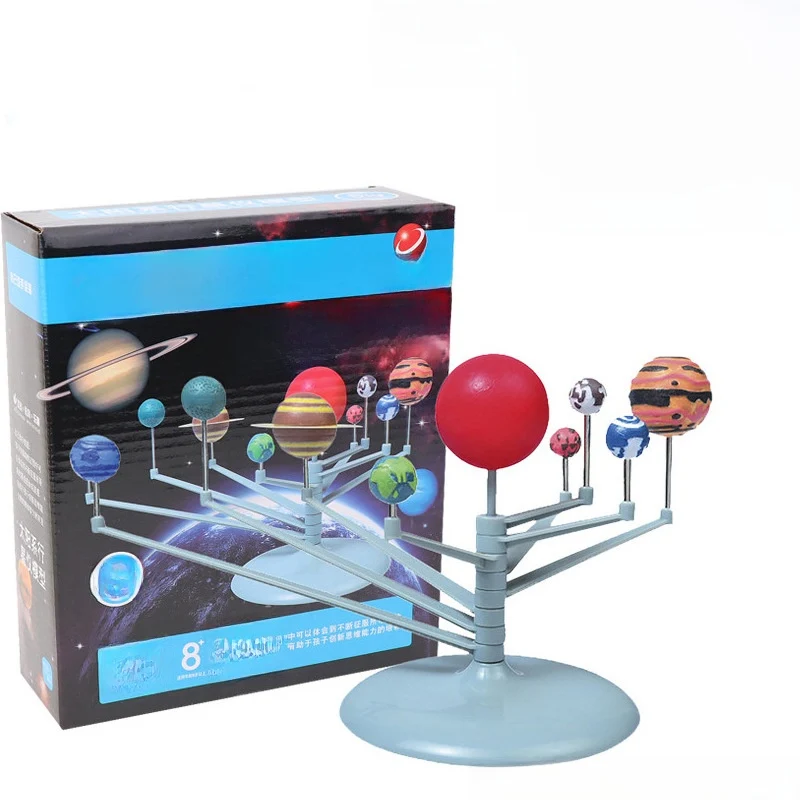
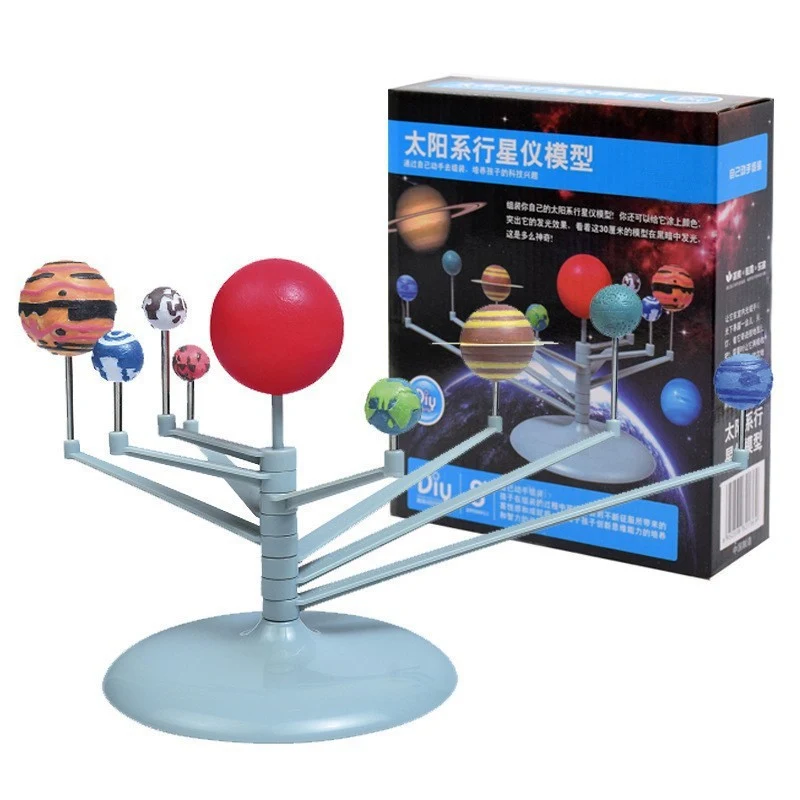
DIY Solar System Model Kits, 8- or 9-Planet Editions: Build a Display
Color
| Brand | Wonder Kids Toy |
|---|---|
| SKU | SU00054251-Nine Planets. |
| Type | Science Toys |
| Color | 9-Planet Model, 8-Planet Model, 9-Planet Model – Packaging Variant |
| Variants | 3 |
Explore, notice and create
Build a model that starts a conversation about the planets.
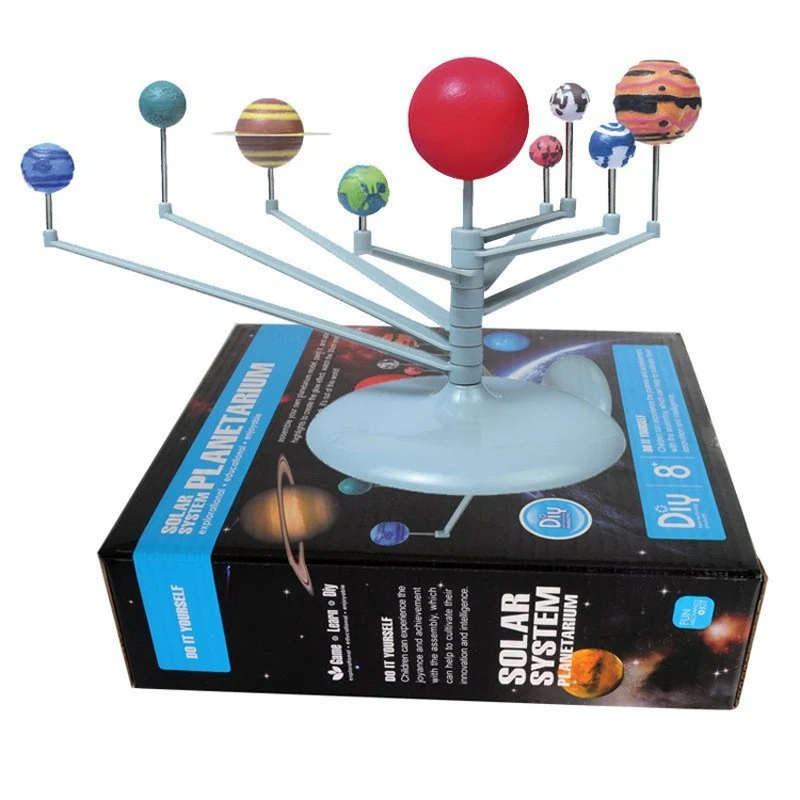
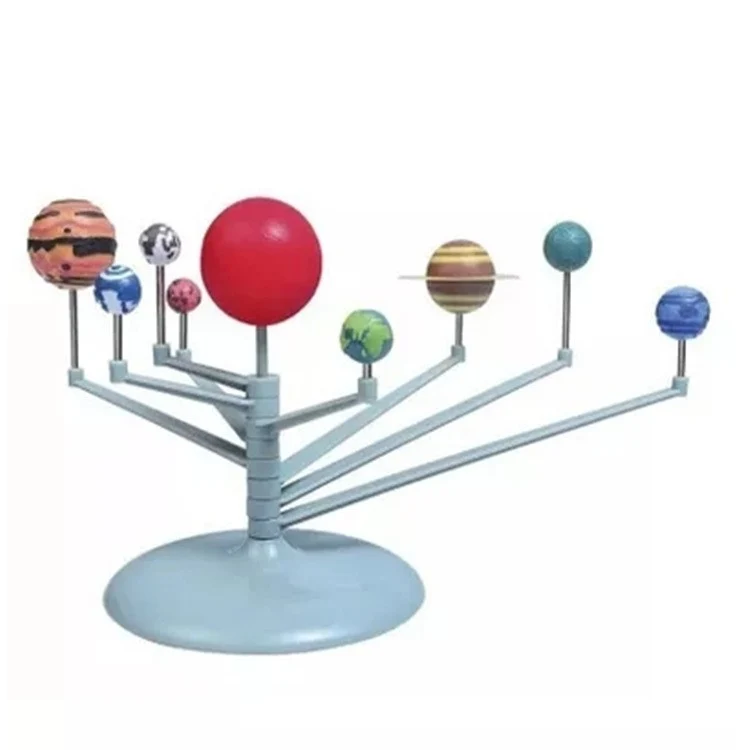
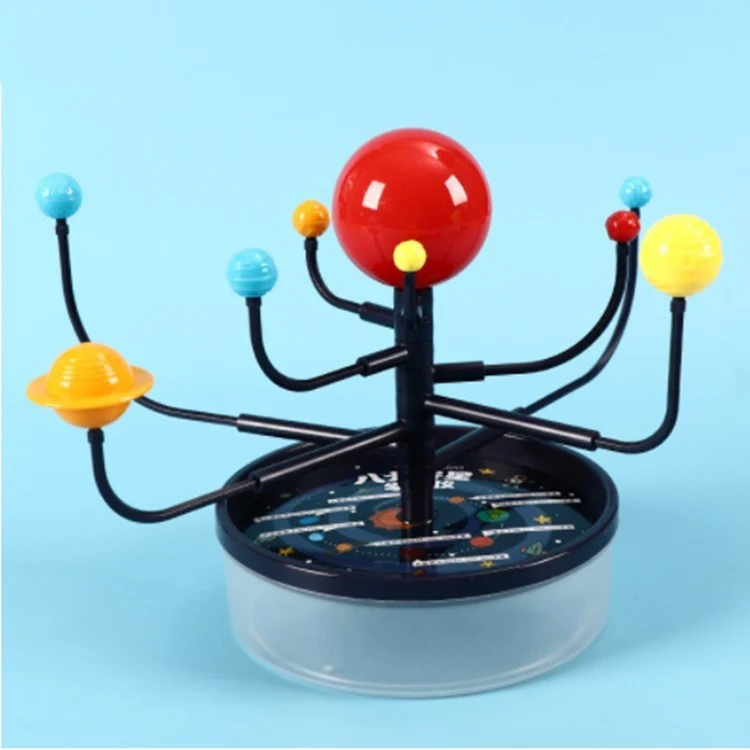
This DIY solar-system model kit turns an astronomy topic into a physical assembly project. Choose an 8-Planet Model, a 9-Planet Model or the separately labelled 9-Planet Model – Packaging Variant. The supplier describes a manually assembled, non-electric ABS-plastic kit with instructions. One selected version is supplied, so the option label matters when deciding how you want to introduce the solar-system display.
Let the instructions establish the arrangement
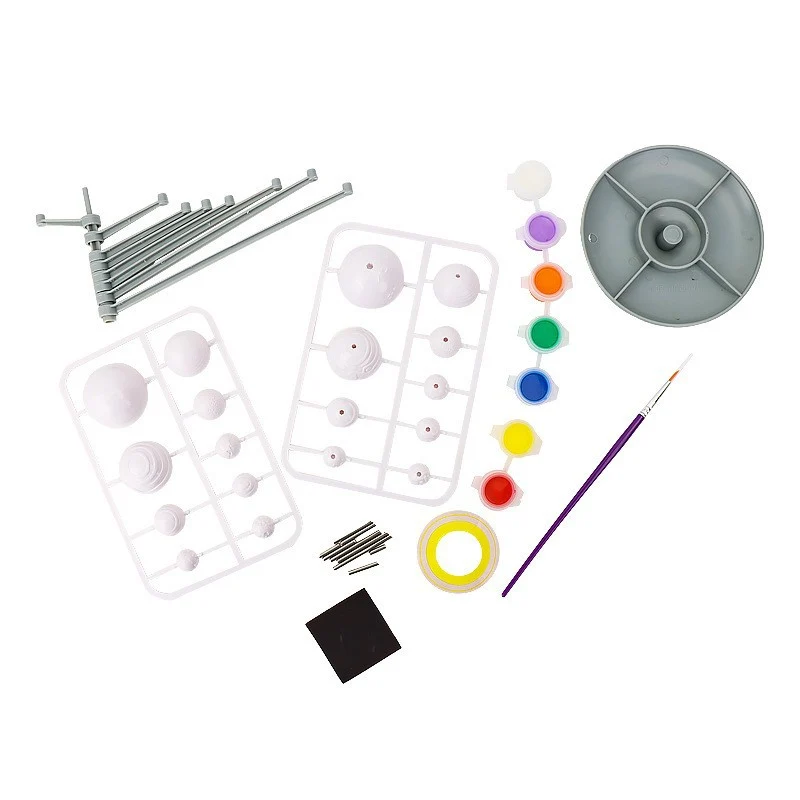
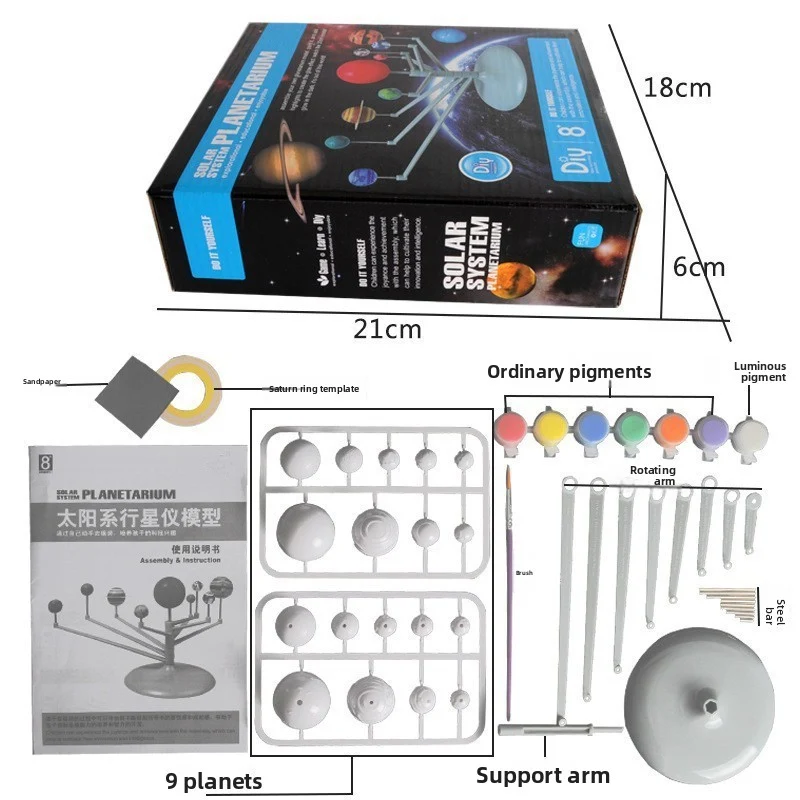
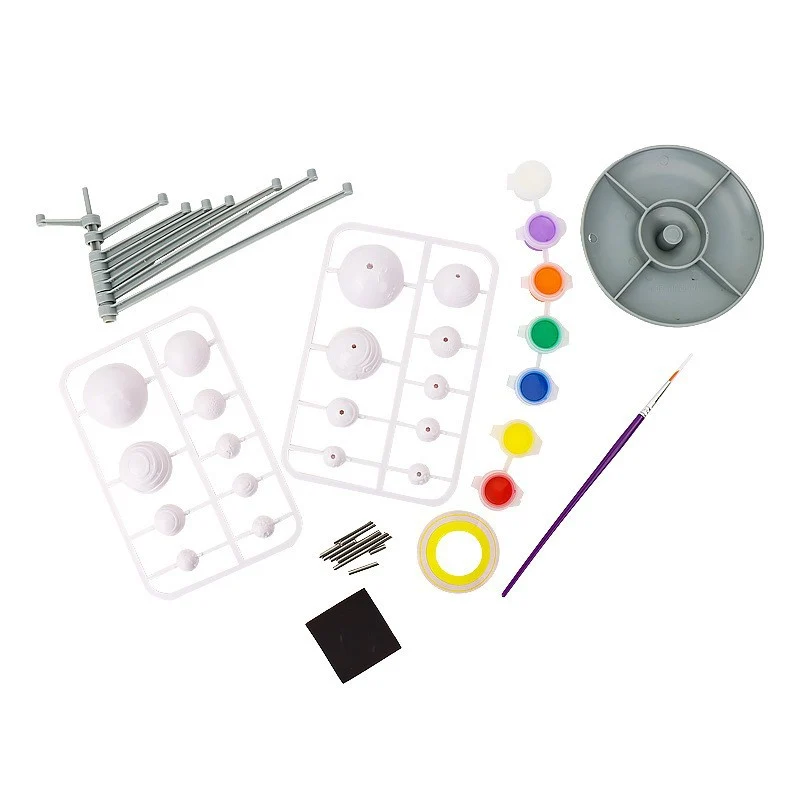
Begin by comparing the selected kit’s components with its assembly guide. Identify the parts for a small stage and check how they belong before connecting the next section. A physical model gives the builder something to point to and examine, but the exact component inventory depends on the version. Do not borrow a parts list from another planet kit with a similar picture.
An adult can help the learner find the next component while another person checks its placement. Swap roles as the structure develops. Following a sequence, noticing an arrangement and explaining a choice are useful ways to participate. They are activity suggestions, not guarantees that assembly alone teaches a complete astronomy curriculum.
Use the completed model as a starting point
After assembly, identify the planets represented by the selected version and discuss their order with an accurate reference when needed. A simple question might ask which planet is closest to the Sun. Point to the relevant part of the display, then compare its position with another. The model can support a conversation without being treated as a precisely scaled scientific instrument.
An optional extension is to draw a simple solar-system diagram on separate paper and compare its arrangement with the build. Paper and drawing supplies are not established as part of the kit. Keep distance and size claims separate from the physical display: a verified scale for planetary sizes or orbital distances is not supplied here.
Explain the eight- and nine-planet choices accurately
The eight-planet option matches the modern classification of eight planets in our solar system. The nine-planet labels refer to an older teaching-model format that may include Pluto, which is classified as a dwarf planet. A nine-planet package name should not be used to teach that Pluto currently has the same classification as the eight planets.
This difference can become a useful conversation about how scientific categories develop as knowledge changes. Compare the selected model’s actual labels and contents before discussing its ninth object. The two nine-planet package options may differ in presentation, so read the exact selector rather than assuming identical packaging or an additional model.
A manual construction, not an electric planetarium
The current supplier specifications describe the kit as non-electric and manually assembled with instructions. It is not documented as a powered projector, an illuminated planetarium or an automatic orbital demonstration. Choose it for the physical build-and-display format, not features that might belong to another astronomy product.
ABS plastic is the listed material. That statement does not establish a coating, certification, precise finish or a universal cleaning method. The exact pieces and packaging depend on the selected version, while finished dimensions and a detailed accessory inventory are not established here. Confirm any essential display-space measurement before assuming it fits a particular shelf.
Keep the project curious and manageable
A family can build in short stages and pause to name a visible part or describe why it belongs in a particular position. Once the display is complete, revisit one question at a time rather than turning the model into a quiz about every fact at once. Interest in the subject can guide the conversation, while accurate external references can supply details the kit does not verify.
For a birthday or an astronomy-themed gift, choose the classification format intentionally and check the package’s age guidance. A verified age range is not supplied here. Supervise small components, inspect the selected kit and follow its actual assembly and care directions. The documented manual activity is screen-free, but no particular learning result, completion time or scientific accuracy beyond the stated model format is promised.
Specifications and ordering notes
The supplier describes an ABS plastic, manually assembled, non-electric kit with instructions. The exact pieces and packaging depend on the selected version. One selected kit is supplied per order, not both planet versions.
Space & Astronomy ToysCommonly Asked Questions by Parents
Which versions can I choose?The current labels are 8-Planet Model, 9-Planet Model and 9-Planet Model – Packaging Variant. Choose one exact version rather than expecting multiple models together.
Does one order include both planet counts?No. One selected kit is supplied per order. The eight- and nine-planet names are alternative configurations.
Which option matches the modern planet classification?The 8-Planet Model corresponds to the modern eight-planet classification. Pluto is classified as a dwarf planet, not one of those eight planets.
Why is there a nine-planet label?It refers to an older teaching-model format that may include Pluto. Check the selected kit’s actual contents and explain Pluto’s current dwarf-planet classification accurately.
Are the two nine-planet choices identical?They may differ in packaging or presentation. Read the exact option name and package details rather than assuming the separate Packaging Variant adds another complete model.
Does the kit need batteries?The current supplier specifications describe a non-electric model. Check the selected version’s package details rather than importing powered features from another astronomy kit.
Is assembly required?Yes. The supplier describes a manually assembled kit with instructions. Follow the selected guide and compare parts before making connections.
What material is listed?ABS plastic is specified. This does not establish a particular certification, finish or cleaning treatment for every component.
Is the model to scale?A verified scale for planetary sizes or orbital distances is not supplied here. Use it as a conversation and arrangement model rather than a tool for measuring astronomical distances.
Does it project stars or light up?Projection, lighting and powered orbital movement are not established features. The documented format is a manual physical model.
What is a useful follow-on activity?Identify the represented planets and compare their order, or draw a simple diagram on separate paper. Use an accurate reference for details the model does not establish.
What age is suitable?A verified age range is not supplied here. Follow the selected package’s guidance, supervise small parts and choose according to the actual assembly requirements.
What should I confirm before choosing a gift?Choose the eight- or older nine-planet teaching format deliberately, then check age guidance, exact contents and display dimensions if needed. Do not assume every version shares the same packaging or accessories.
Choose the right option for your family
Read the complete option label and compare the verified details with the activity you have in mind. Select the configuration that matches your needs rather than assuming every pictured accessory or feature is shared. Compare related options in Space & Astronomy Toys, checking each product’s own contents and instructions.
Questions about this product
Is DIY Solar System Model Kits, 8- or 9-Planet Editions: Build a Display in stock?
Yes — 8 units are available and ready to ship from our US warehouse.
How fast will DIY Solar System Model Kits, 8- or 9-Planet Editions: Build a Display ship?
Orders placed before 3:00 PM ET ship the same business day. Delivery takes 3–5 business days inside the USA.
What color options does DIY Solar System Model Kits, 8- or 9-Planet Editions: Build a Display come in?
Available color: 9-Planet Model, 8-Planet Model, 9-Planet Model – Packaging Variant. 3 variants in total, each with its own SKU and price.
Where does DIY Solar System Model Kits, 8- or 9-Planet Editions: Build a Display ship from?
It ships from the United States. Standard delivery is 3–5 business days, and orders placed before 3:00 PM ET go out the same day.
All variants (3)
| Color | SKU | Price | Stock |
|---|---|---|---|
| 9-Planet Model | SU00054251-Nine Planets. | $8.10 | In stock |
| 8-Planet Model | SU00054251-Eight planets | $8.10 | In stock |
| 9-Planet Model – Packaging Variant | SU00054251-Nine planets op packaging | $8.10 | In stock |