Metal Wire Brain Teasers: Find the Route to Separate the Pieces
Color
| Brand | Wonder Kids Toy |
|---|---|
| SKU | SU00352770-Type a exercises thinking brain puzzles |
| Type | Mechanical Puzzles |
| Color | Type a exercises thinking brain puzzles, Type b exercises thinking brain puzzle, Type c exercises thinking brain puzzles |
| Variants | 3 |
WonderKidsToy · Explore through play
Metal Wire Brain Teasers
Metal Wire Brain Teasers. Explore together.
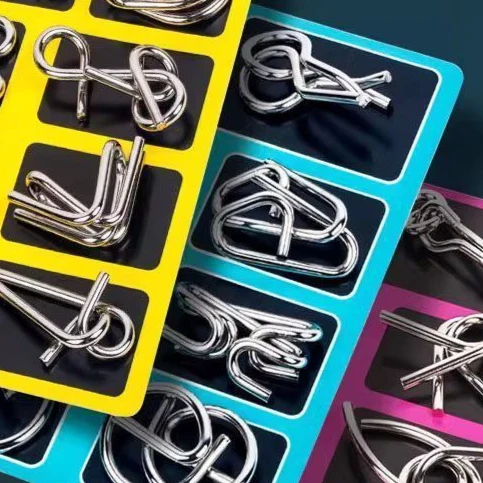
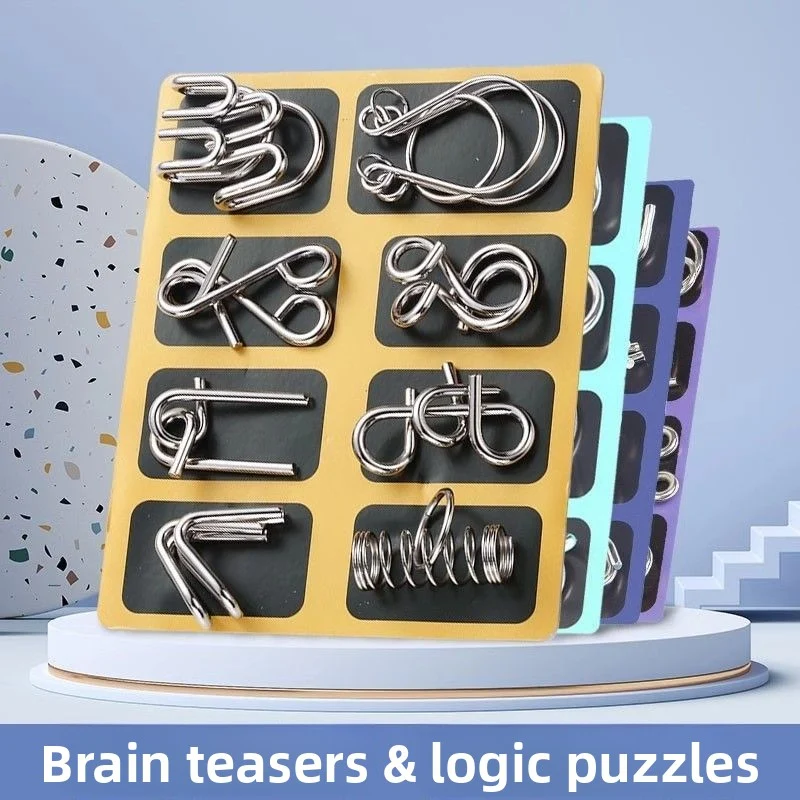
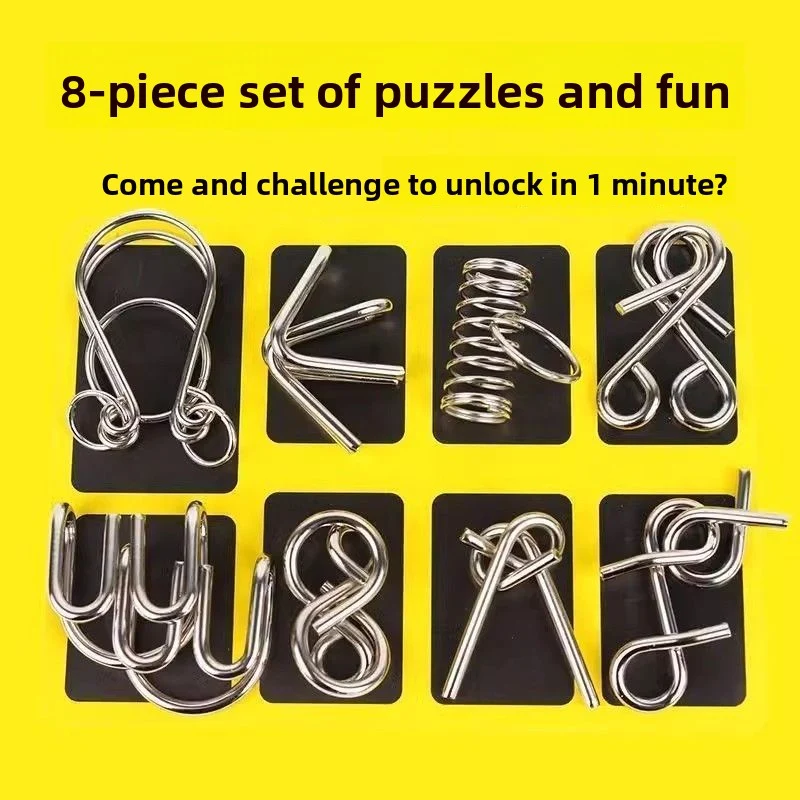
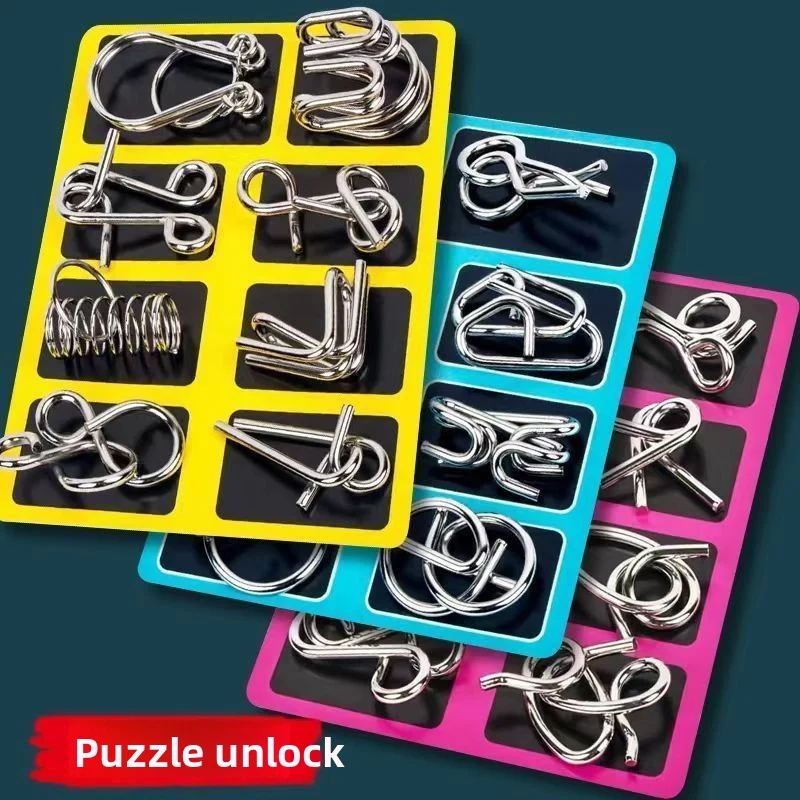
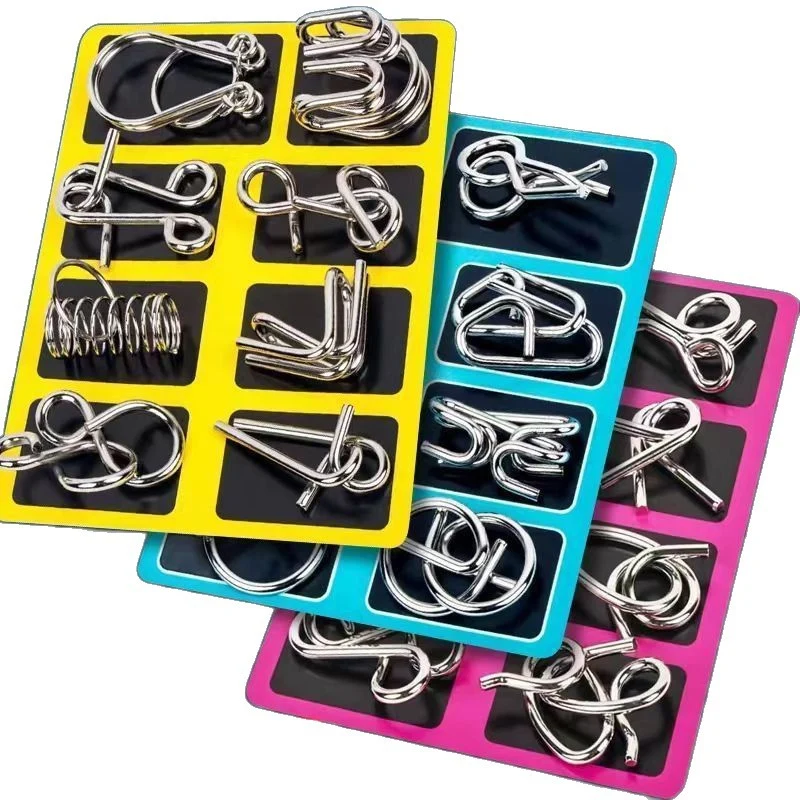
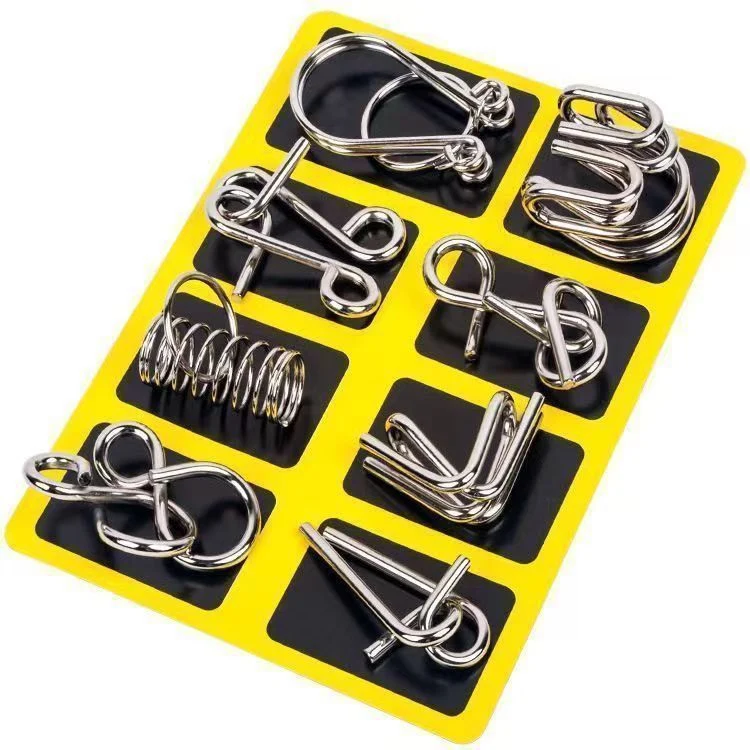
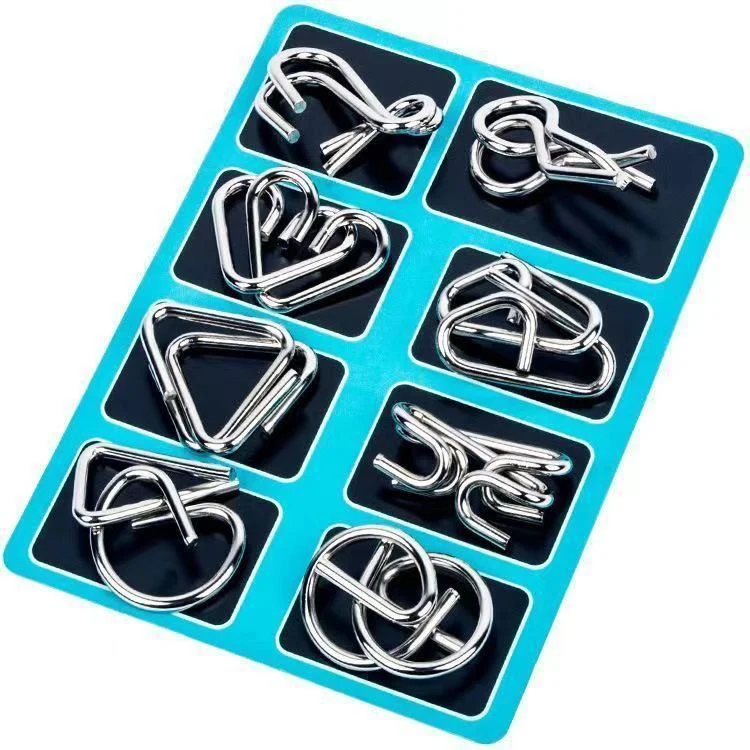
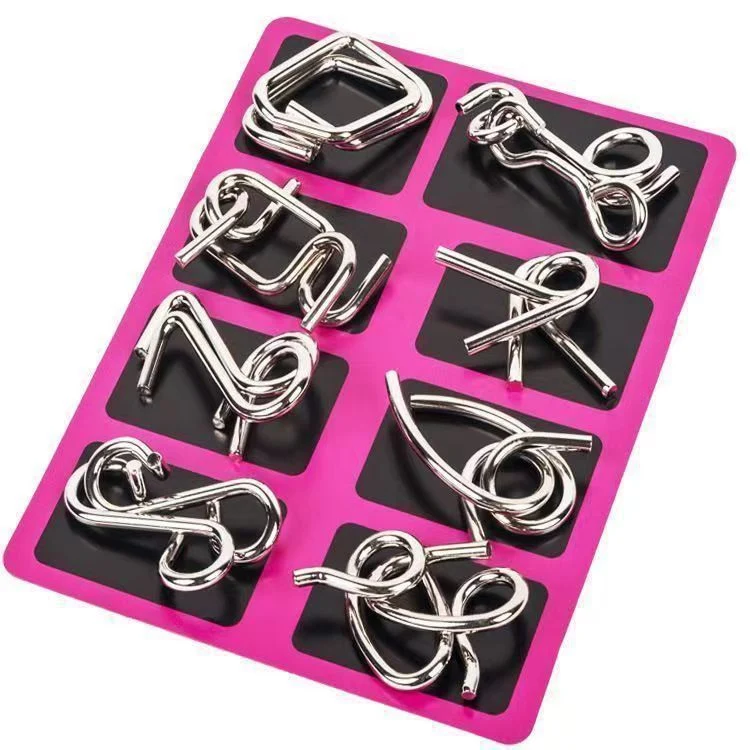
The gallery shows interlocking metal wire puzzles, with three ordering labels: Type A, Type B and Type C. The challenge is to inspect the connection and test a permitted route for separating the forms. This is a physical disentanglement activity rather than an electronic unlocking game.
Compare your selected option with its image and package details below. Begin with the supplied guidance and one manageable activity, leaving time for your child to look, try and share an idea.
Follow their curiosity
Make space for a little discovery.
A puzzle gives a small change a visible result. Look at the arrangement before moving, identify a useful clue and consider where that action might lead. You can explore one step together without needing to solve the entire challenge in a single session.
Notice a useful clue.
Compare the picture, shape or printed detail before making a move. Invite your child to show the feature they are following so the next attempt has a clear starting point.
Plan a small step.
Choose a manageable action and describe what you expect to change. Keeping the plan small makes it easier to compare the result with the idea that led to it.
Reconsider an approach.
An unexpected result gives you information for another attempt. Pause and look again rather than forcing a mechanism or rushing through several movements without noticing what each one does.
Explain a choice.
Take turns describing a possible next move. Listen to your child’s idea before offering a hint, and let them decide whether to try the approach you discussed together.
Learning through the activity
Follow what they notice and explain.
Physical puzzles create opportunities to practise observation, sequencing and explaining a choice. Keep the challenge at a comfortable level and focus on a clue the child can actually see. A thoughtful attempt is worth discussing even when the complete arrangement has not yet been restored.
Try a question that leaves room to think.
- Which detail would you like to explore?
- What helped you make that choice?
- Can you show me what you noticed?
Let your child look, try and explain at their own pace.
A fresh invitation for another session
Three ways to explore together.
ACTIVITY 01
Begin with one action
Inspect the selected wire puzzle from different angles before moving either form.
ACTIVITY 02
Notice the next detail
Turn gently and observe which route becomes available. Return to the previous position when an attempt stops.
ACTIVITY 03
Revisit and describe
Explain a helpful orientation or offer a small hint. Do not bend the wire, force it or treat Type A, B and C as verified difficulty levels.
Make time for a shared discovery
Let your child show you their thinking.
Let your child explain an idea before offering a suggestion. Take turns describing a detail, choosing the next part of the story or noticing a result. Help with setup and the product’s intended handling while leaving the child room to participate. A short, enjoyable session is a useful beginning, and you can return when their interest leads back to it.
Details that help you choose
Know your selected product and configuration.
Look for the Route Through an Interlocking Wire Shape
The gallery shows interlocking metal wire puzzles, with three ordering labels: Type A, Type B and Type C. The challenge is to inspect the connection and test a permitted route for separating the forms. This is a physical disentanglement activity rather than an electronic unlocking game.
Features and Play Value
- Three option labels distinguish the puzzle choices.
- Curves and loops give a visible problem to examine.
- Turning a form provides feedback about the available route.
- Players can compare approaches or take turns offering a hint.
Learning Through Play
Inspect one puzzle from different angles before moving it. Turn a form gently and notice which part of the route becomes possible. If an attempt stops, return to the previous position and try another orientation instead of pulling harder. An adult can ask the player to explain a move, then offer a small clue without revealing the full solution.
Why Parents May Choose It
A wire puzzle gives a patient player one concrete challenge at a time. The small physical forms can be examined closely, and a shared session can focus on explaining an approach instead of racing to finish.
Choosing the Right Option
Type a, Type b and Type c are separate labels. The gallery shows multiple wire shapes on colored backing cards. The names do not establish an ascending difficulty order or a verified puzzle count per package, so compare the selected image rather than treating A, B and C as levels.
Product Details
- Options: Type A, Type B and Type C.
- Gallery format: interlocking metal wire brain teasers.
Using the Selected Product
Inspect each wire form and keep small components away from children who mouth objects. Do not force, bend or use tools on a puzzle unless its instructions expressly permit that action.
Before You Choose
Choose the pictured Type A, B or C configuration that interests the intended player.
Compare related options in puzzle brain teasers.
Choose your preferred option in the product selector above this description. Check its full name in your cart before completing your order.
A thoughtful gift or a shared afternoon
Choose for the child’s interests.
Choose the selected package for the recipient’s interests and readiness. Check the selected package’s age guidance, contents and operating requirements with their caregiver before ordering. A birthday or holiday can be a reason to begin an activity together, but the child’s comfort with the actual task matters more than a package theme or photograph.
Keep the next session easy to begin.
Use the puzzle’s intended movement without forcing or prying components. Keep it on a stable surface, follow the supplied age and care guidance and store it where loose or damaged parts will not be accessible to younger children.
Useful answers before ordering
Commonly Asked Questions by Parents
Type A, Type B and Type C.
What does the gallery show?Interlocking metal wire puzzle forms.
Are the letters verified difficulty levels?No. They are option labels rather than documented difficulty ratings.
What should I try if a move stops?Return to the previous position and inspect a different orientation instead of forcing the wire.
How can a second person help?Ask about the intended move or offer a small clue without completing the solution.
Is this metal wire puzzle an electronic unlocking game?This is a physical disentanglement activity rather than an electronic unlocking game.
Is a fixed number of puzzles confirmed per package?The names do not establish an ascending difficulty order or a verified puzzle count per package, so compare the selected image rather than treating A, B and C as levels.
What is the goal of a wire disentanglement puzzle?The challenge is to inspect the connection and test a permitted route for separating the forms.
What should I look at before attempting a move?Inspect one puzzle from different angles before moving it. Turn a form gently and notice which part of the route becomes possible.
What should I check when the Brain Teaser Unlocking Puzzle arrives?Confirm the puzzle version, pieces, condition, and that moving parts work as described.
How can we begin a first session?Inspect the selected wire puzzle from different angles before moving either form.
What can we try together after the first activity?Turn gently and observe which route becomes available. Return to the previous position when an attempt stops.
How can a parent join in?Let your child explain an idea before offering a suggestion. Take turns describing a detail, choosing the next part of the story or noticing a result. Help with setup and the product’s intended handling while leaving the child room to participate. A short, enjoyable session is a useful beginning, and you can return when their interest leads back to it.
Bring a little discovery to playtime
Make room for their next idea.
Review the product details, choose the configuration that suits your plans and enjoy exploring the activity together.
Questions about this product
Is Metal Wire Brain Teasers: Find the Route to Separate the Pieces in stock?
Yes — 26 units are available and ready to ship from our US warehouse.
How fast will Metal Wire Brain Teasers: Find the Route to Separate the Pieces ship?
Orders placed before 3:00 PM ET ship the same business day. Delivery takes 3–5 business days inside the USA.
What color options does Metal Wire Brain Teasers: Find the Route to Separate the Pieces come in?
Available color: Type a exercises thinking brain puzzles, Type b exercises thinking brain puzzle, Type c exercises thinking brain puzzles. 3 variants in total, each with its own SKU and price.
Where does Metal Wire Brain Teasers: Find the Route to Separate the Pieces ship from?
It ships from the United States. Standard delivery is 3–5 business days, and orders placed before 3:00 PM ET go out the same day.
All variants (3)
| Color | SKU | Price | Stock |
|---|---|---|---|
| Type a exercises thinking brain puzzles | SU00352770-Type a exercises thinking brain puzzles | $5.00 | In stock |
| Type b exercises thinking brain puzzle | SU00352770-Type b exercises thinking brain puzzle | $5.00 | In stock |
| Type c exercises thinking brain puzzles | SU00352770-Type c exercises thinking brain puzzles | $5.00 | In stock |