Wooden Polyhedral Dice: Roll, Read and Compare Numbers
Dice specifications
| Brand | Wonder Kids Toy |
|---|---|
| SKU | SU00137429-Beech |
| Type | Math Toys |
| Variants | 5 |
WonderKidsToy · Explore through play
Wooden Polyhedral Dice
Wooden Polyhedral Dice. Explore together.
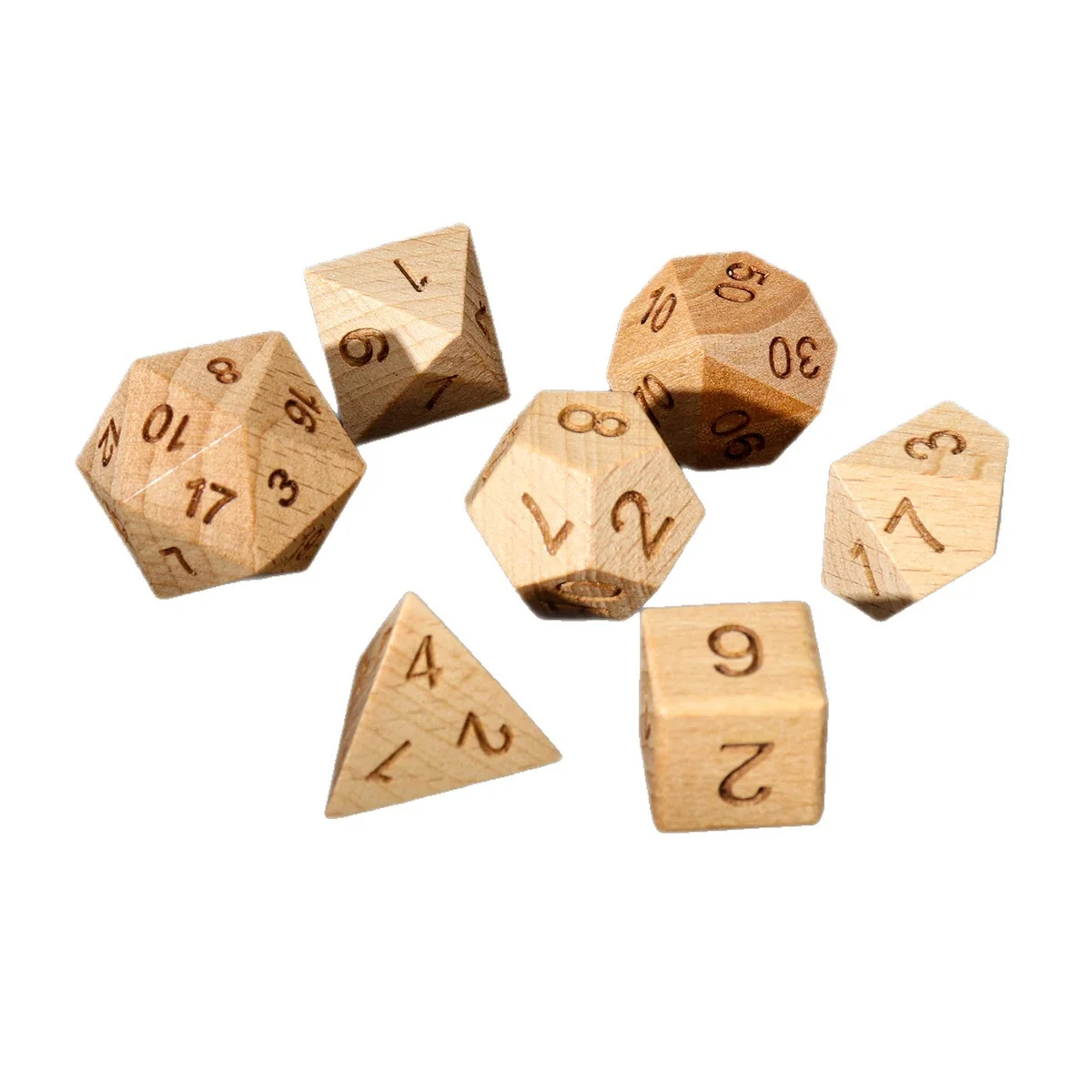
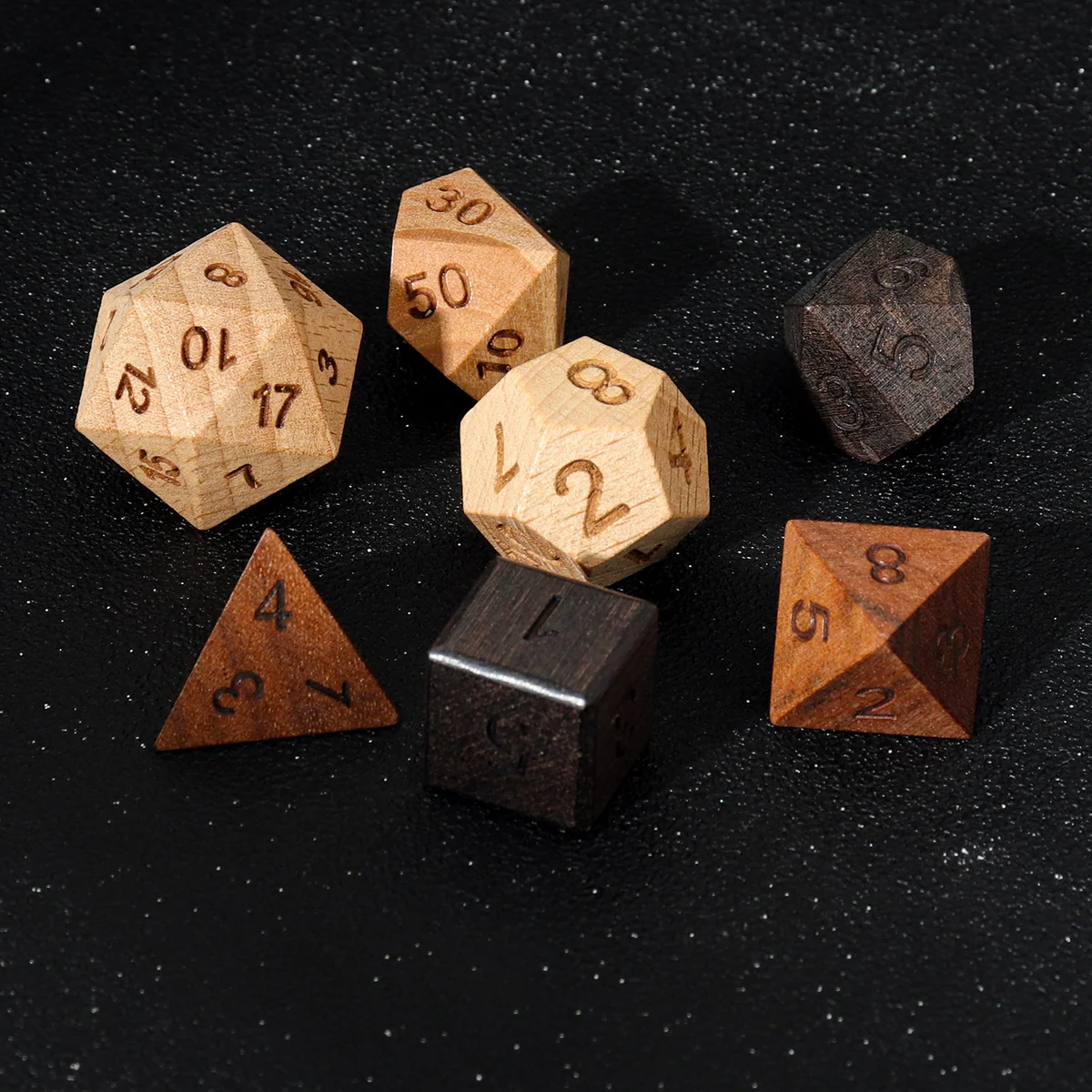
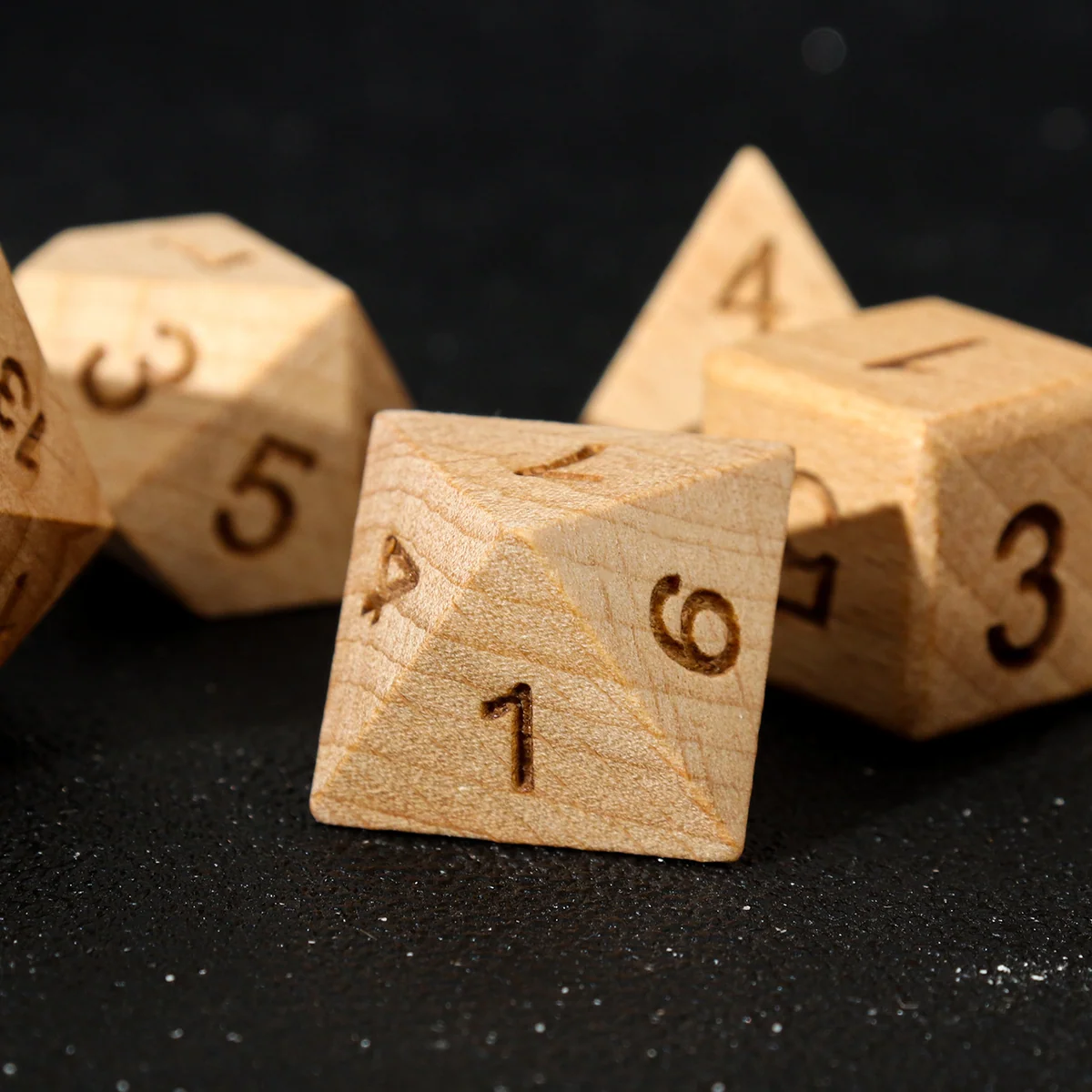
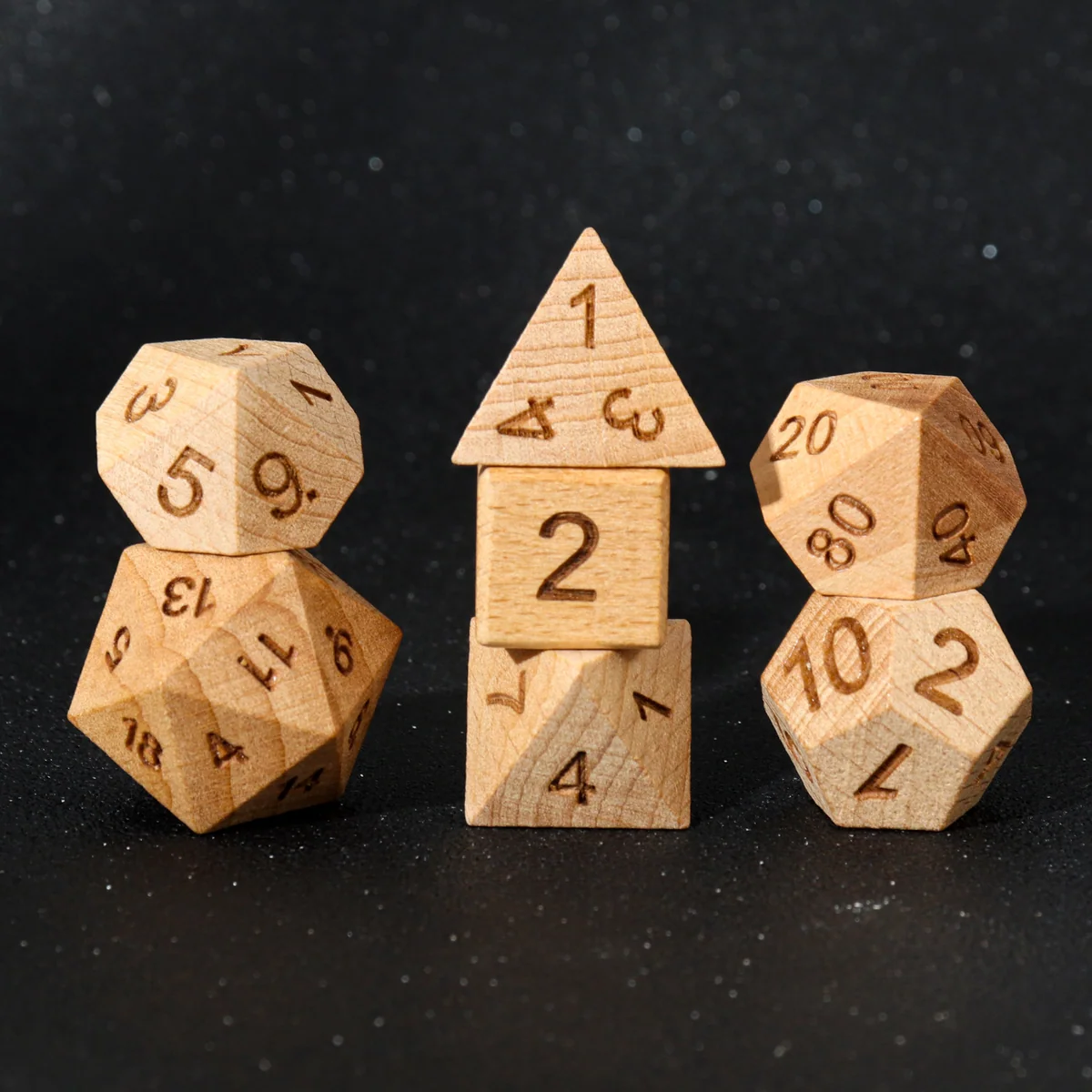
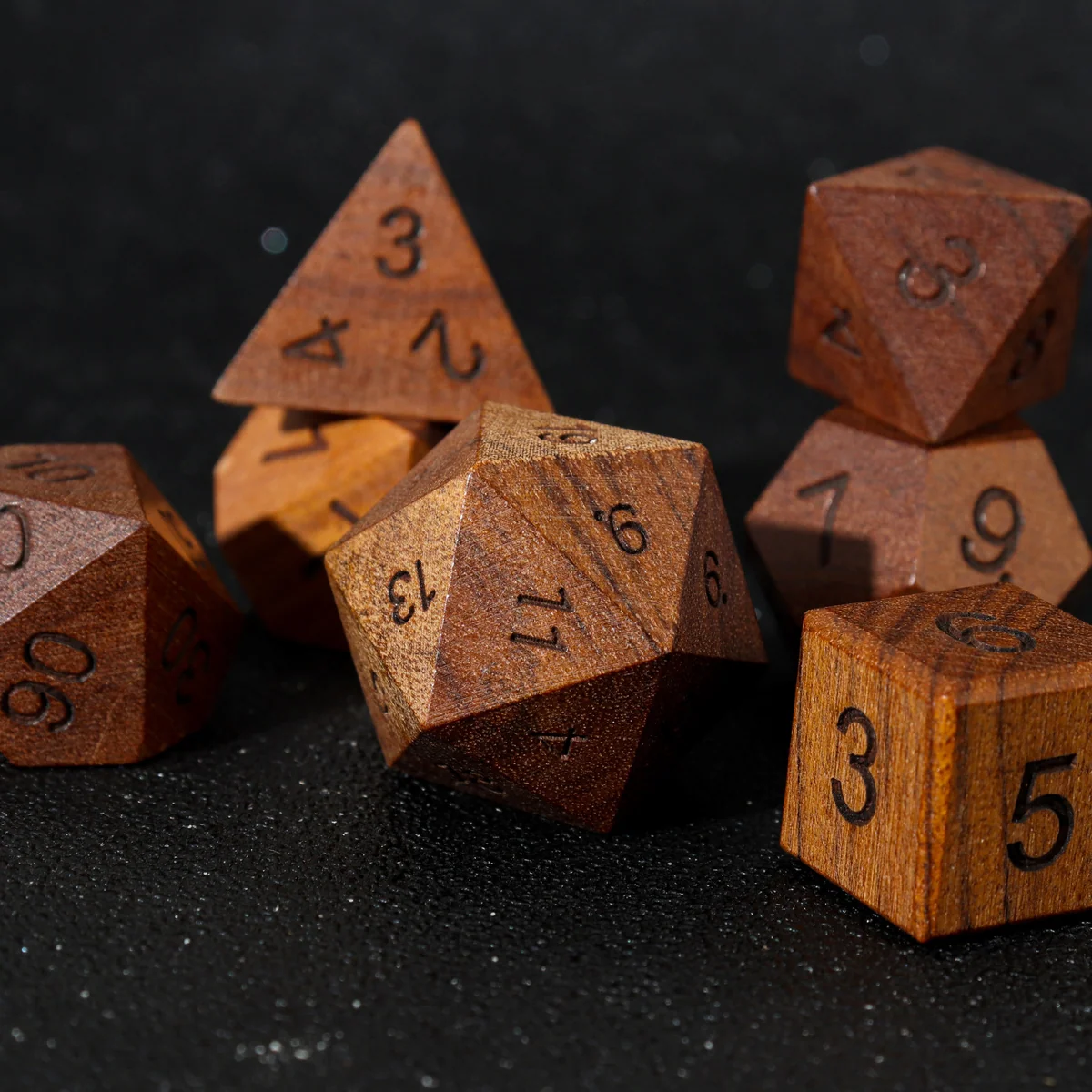
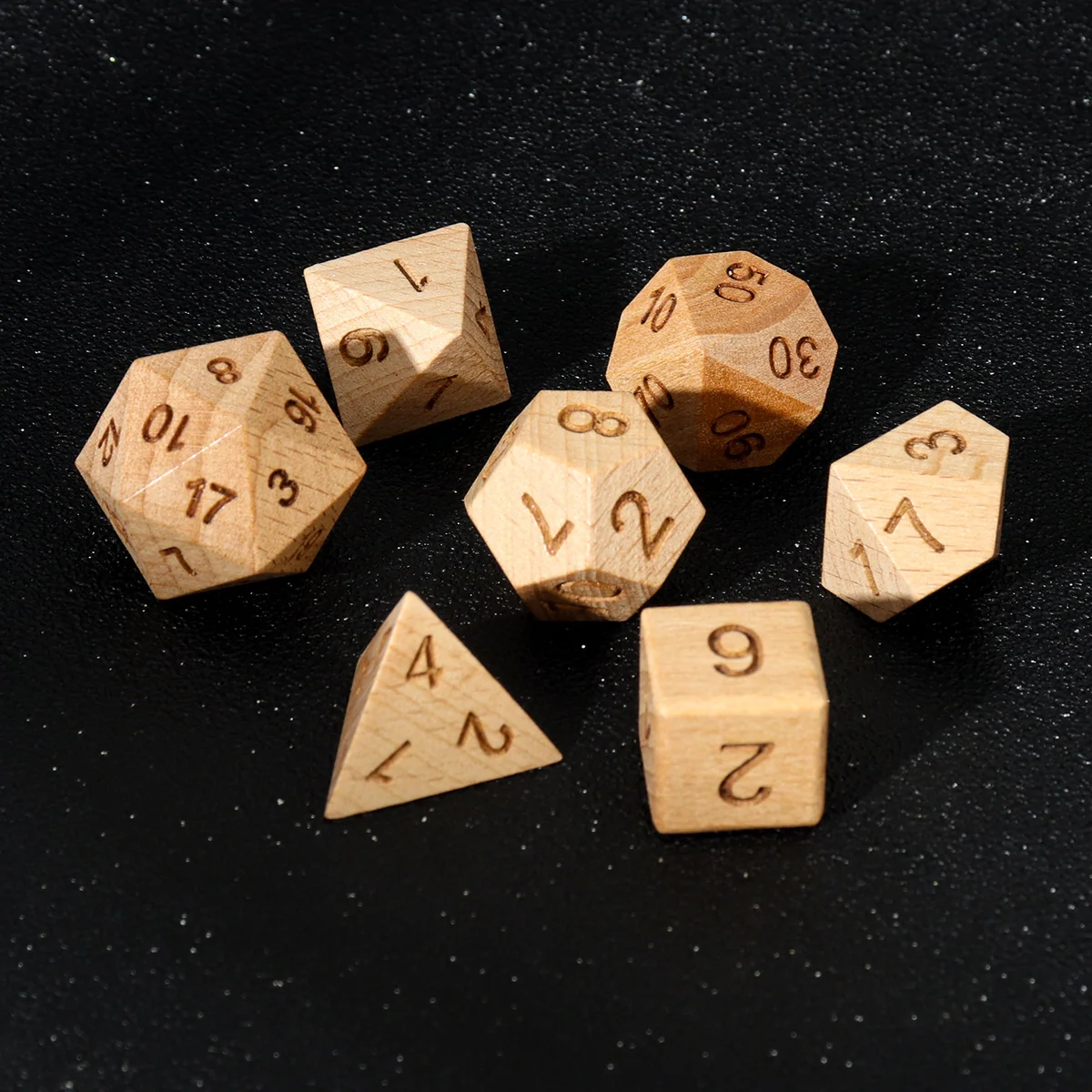
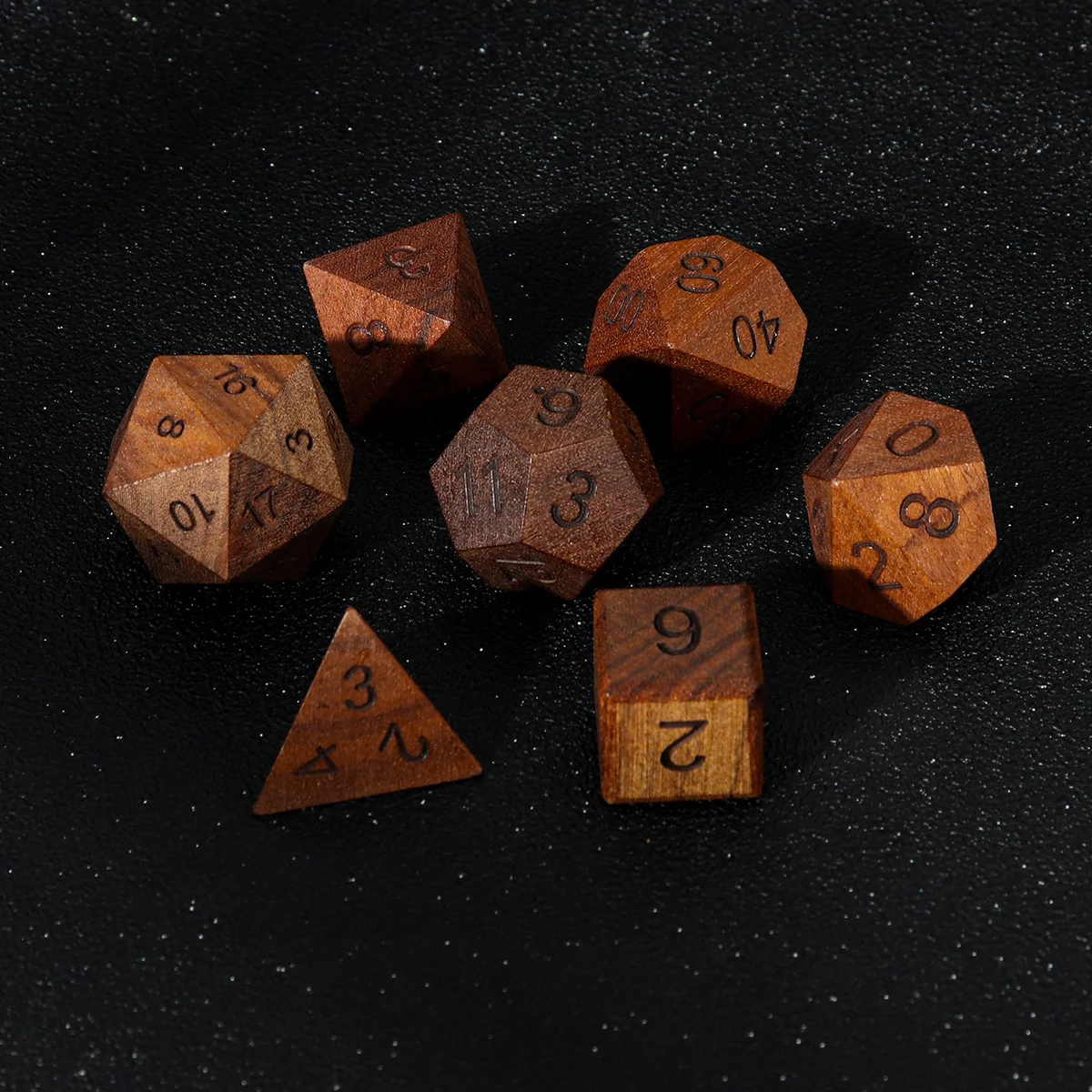
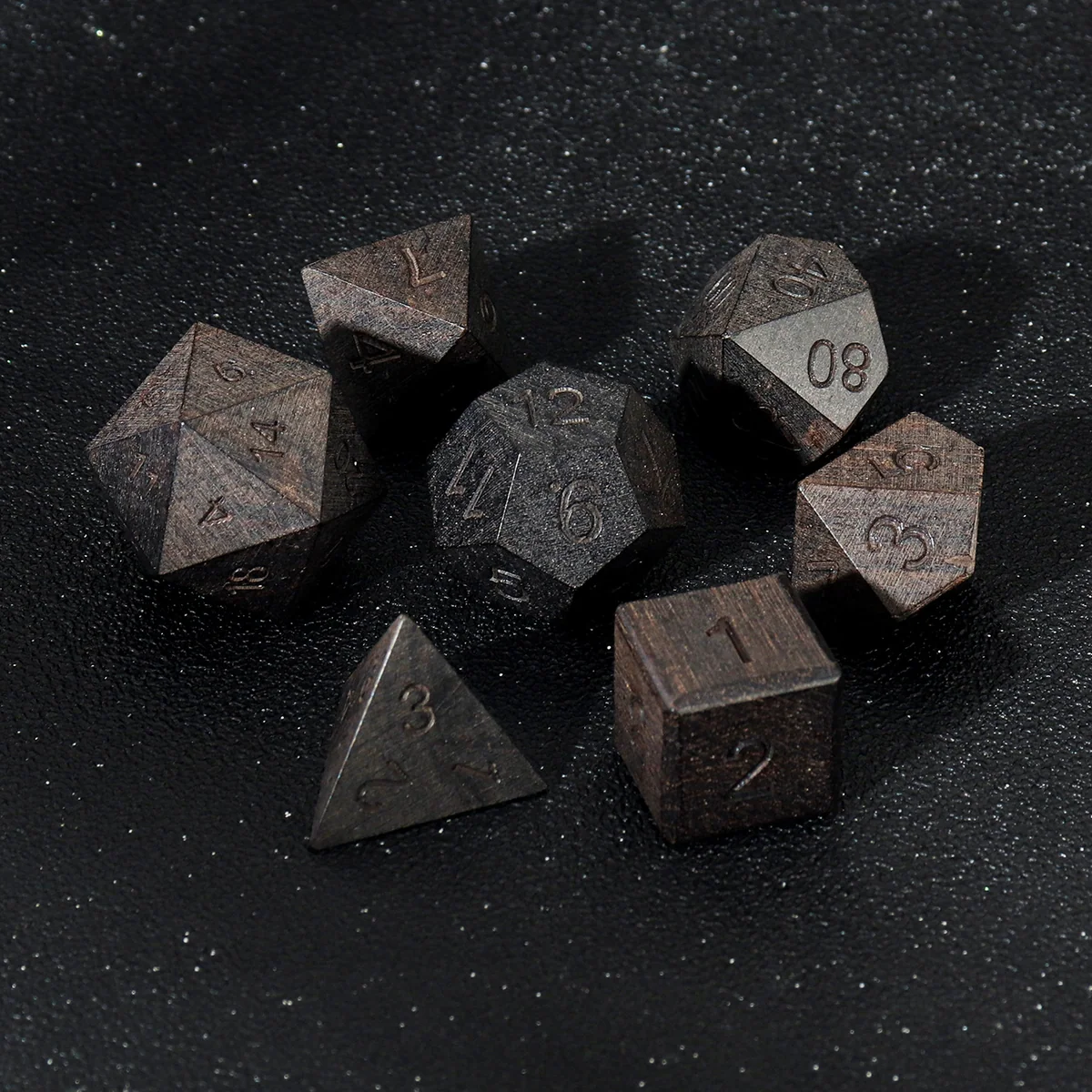
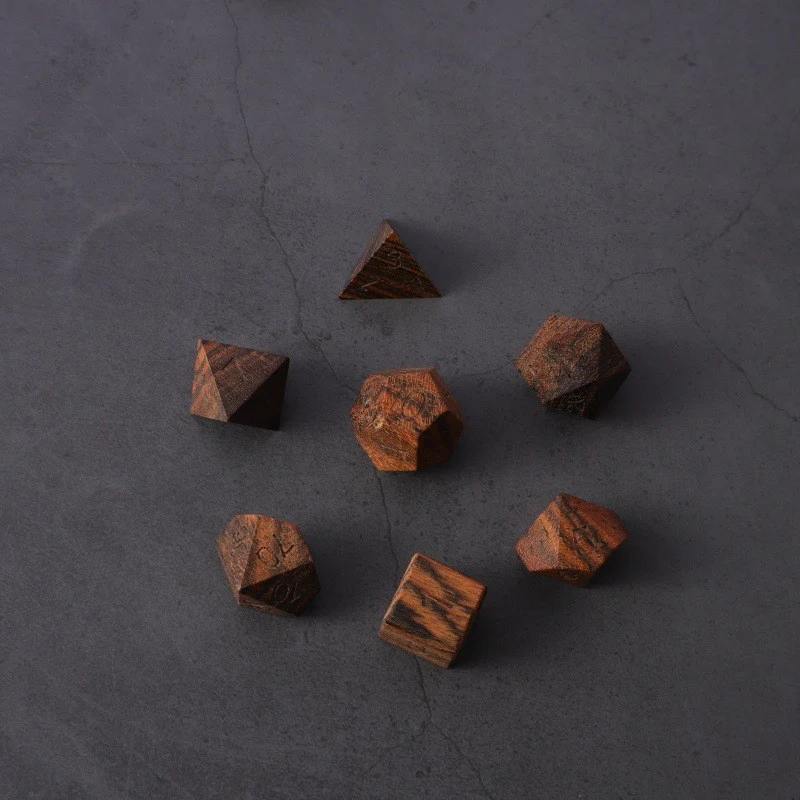
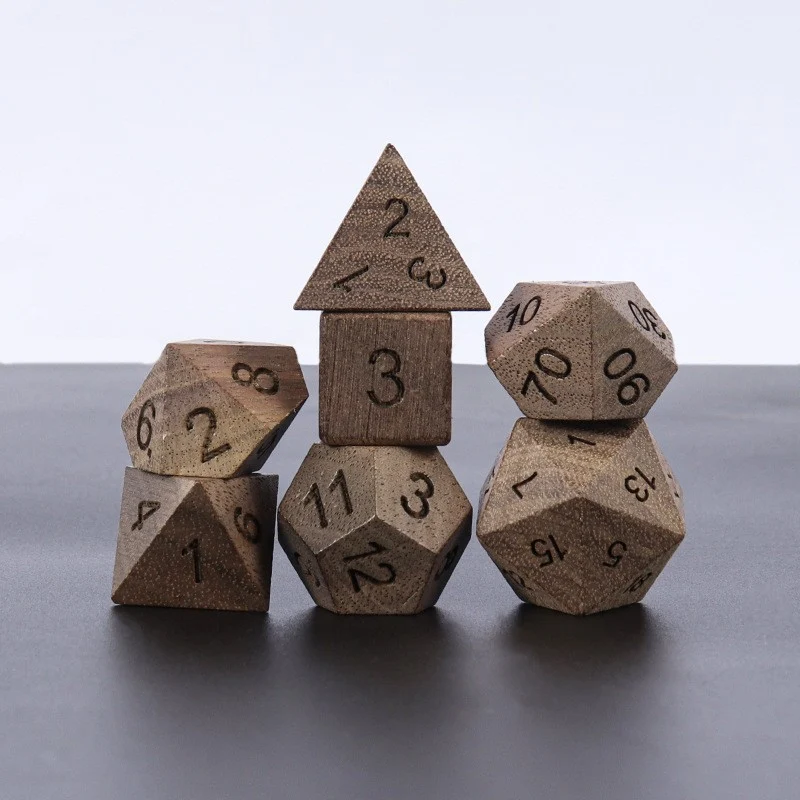
This wooden polyhedral dice listing shows a group of differently shaped numbered dice. Five wood labels let buyers choose a preferred appearance. The dice can support tabletop play and simple number activities when used with the rules of the chosen game.
Compare your selected option with its image and package details below. Begin with the supplied guidance and one manageable activity, leaving time for your child to look, try and share an idea.
Follow their curiosity
Make space for a little discovery.
A shared game gives each player a clear turn and a small decision to make. Begin with the selected format’s actual rules and demonstrate a manageable round. Notice how an allowed action changes the arrangement or result before moving on, leaving room to ask questions and revisit an earlier choice.
Learn the selected format.
Read the supplied rules and identify the pieces actually provided. A short demonstration can make the first round easier to follow without assuming that related game options share identical rules.
Consider one action.
Look at the current arrangement or result before deciding what to do. Describe a permitted choice, keeping the discussion appropriate to the particular game rather than inventing additional scoring modes.
Give each turn time.
Allow one person to complete an action before the next player begins. Pause to notice what changed and use the game’s instructions to decide how play continues.
Discuss a result.
Talk about a useful observation after a short round. An adult can offer a small hint or demonstrate a rule again without making speed, winning or a perfect performance the only purpose.
Learning through the activity
Follow what they notice and explain.
Tabletop games offer opportunities to follow agreed rules, wait for a turn and explain a decision. The selected game determines which counting, aiming or planning actions are available. Begin with a short round and adjust the amount of adult help to the player’s experience and the supplied age guidance.
Try a question that leaves room to think.
- Which detail would you like to explore?
- What helped you make that choice?
- Can you show me what you noticed?
Let your child look, try and explain at their own pace.
A fresh invitation for another session
Three ways to explore together.
ACTIVITY 01
Begin with one action
Choose a die suitable for your game and read the uppermost result according to that game’s rules.
ACTIVITY 02
Notice the next detail
Compare two results or record a short series of rolls on your own paper.
ACTIVITY 03
Revisit and describe
Discuss which numbers appeared and keep the dice on a contained surface. No universal game compatibility, exact set inventory or fairness claim is established.
Make time for a shared discovery
Let your child show you their thinking.
Let your child explain an idea before offering a suggestion. Take turns describing a detail, choosing the next part of the story or noticing a result. Help with setup and the product’s intended handling while leaving the child room to participate. A short, enjoyable session is a useful beginning, and you can return when their interest leads back to it.
Details that help you choose
Know your selected product and configuration.
Compare Numbers Across Different Dice Shapes
This wooden polyhedral dice listing shows a group of differently shaped numbered dice. Five wood labels let buyers choose a preferred appearance. The dice can support tabletop play and simple number activities when used with the rules of the chosen game.
Features and Play Value
- Several numbered polyhedral shapes pictured.
- Five listed wood options.
- Numbers can be read, ordered and compared.
- A tactile alternative to writing every number on paper.
Learning Through Play
Roll an appropriate die and read its uppermost result according to the game’s rules. Compare two results or record several rolls in a tally chart. An adult can ask which numbers appeared and which did not. For tabletop games, confirm that the actual dice shapes and numbering match the game before relying on them for play.
Why Parents May Choose It
A chosen wood label gives the set a particular visual character. For a game purchase, checking the required dice types is more important than selecting by appearance alone.
Choosing the Right Option
The choices are Beech, African Rosewood, Purple Sandalwood, Golden Sandalwood and North American Walnut. These are the store’s material labels. The exact set inventory, die sizes and distribution of numbering are not fully specified, so no universal game-compatibility or fairness claim is made.
Product Details
- Wood labels: beech, African rosewood, purple sandalwood, golden sandalwood and North American walnut.
- Polyhedral numbered dice pictured.
Using the Selected Product
Dice are small objects. Keep them away from children who put objects in their mouths and use them on a contained rolling surface.
Before You Choose
Choose the wooden polyhedral dice set option whose pictured configuration matches the activity you have in mind.
Explore more Counting & Math Toys for Kids: Numbers & Early Learning.
Choose your preferred option in the product selector above this description. Check its full name in your cart before completing your order.
A thoughtful gift or a shared afternoon
Choose for the child’s interests.
Choose the selected package for the recipient’s interests and readiness. Check the selected package’s age guidance, contents and operating requirements with their caregiver before ordering. A birthday or holiday can be a reason to begin an activity together, but the child’s comfort with the actual task matters more than a package theme or photograph.
Keep the next session easy to begin.
Follow the selected package’s rules and age label on a stable play surface. An adult should demonstrate setup and supervise loose components. Keep pieces together after play and follow the supplied care guidance.
Useful answers before ordering
Commonly Asked Questions by Parents
Beech, African Rosewood, Purple Sandalwood, Golden Sandalwood and North American Walnut.
Are the dice all the same shape?The gallery shows multiple polyhedral shapes.
Can they be used for number activities?They can be used to read, compare and record rolled numbers.
Is a complete die inventory verified?No exact inventory is fully specified.
Are the wood names independently certified material specifications?The listing presents them as the store’s material labels; it does not provide independent wood certification.
Are the wooden dice sizes confirmed?Die sizes are not fully specified.
Are these dice guaranteed fair or compatible with every game?No universal game-compatibility or fairness claim is made.
How should I choose dice for a particular tabletop game?Confirm that the actual dice shapes and numbering match that game before relying on the set for play.
What number-recording activity can we try?Compare two rolled results or record several rolls in a tally chart.
What should I check when the Wooden Polyhedral Dice Set arrives?Inspect the dice and compare their shapes, markings and quantity with the product listing.
How can we begin a first session?Choose a die suitable for your game and read the uppermost result according to that game’s rules.
What can we try together after the first activity?Compare two results or record a short series of rolls on your own paper.
How can a parent join in?Let your child explain an idea before offering a suggestion. Take turns describing a detail, choosing the next part of the story or noticing a result. Help with setup and the product’s intended handling while leaving the child room to participate. A short, enjoyable session is a useful beginning, and you can return when their interest leads back to it.
Bring a little discovery to playtime
Make room for their next idea.
Review the product details, choose the configuration that suits your plans and enjoy exploring the activity together.
Questions about this product
Is Wooden Polyhedral Dice: Roll, Read and Compare Numbers in stock?
Yes — 43 units are available and ready to ship from our US warehouse.
How fast will Wooden Polyhedral Dice: Roll, Read and Compare Numbers ship?
Orders placed before 3:00 PM ET ship the same business day. Delivery takes 3–5 business days inside the USA.
How much does Wooden Polyhedral Dice: Roll, Read and Compare Numbers cost?
Prices run from $6.50 to $7.20 depending on the variant.
Where does Wooden Polyhedral Dice: Roll, Read and Compare Numbers ship from?
It ships from the United States. Standard delivery is 3–5 business days, and orders placed before 3:00 PM ET go out the same day.
All variants (5)
| Dice specifications | SKU | Price | Stock |
|---|---|---|---|
| Beech | SU00137429-Beech | $6.50 | In stock |
| African Rosewood | SU00137429-African Rosewood | $7.20 | In stock |
| Purple Sandalwood | SU00137429-Purple Sandalwood | $7.20 | In stock |
| Golden Sandalwood | SU00137429-Golden Sandalwood | $7.20 | In stock |
| North American Walnut | SU00137429-North American Walnut | $7.20 | In stock |